Exploring Rustic Floating Bookshelves: Design and Utility
Intro
The world of interior design is filled with eclectic choices that allow homeowners to express their unique tastes. Among the myriad of options, rustic floating bookshelves stand out as both functional and visually appealing. These shelves combine the beauty of natural materials with practical space-saving designs, making them a staple for those looking to enhance their living environment. Whether you're a homeowner keen on sprucing up your abode, a designer with a flair for customized details, or a DIY enthusiast fascinated by crafting your own pieces, exploring the charm of rustic floating bookshelves can open doors to myriad design possibilities.
Floating bookshelves do not just serve as storage; they can transform a room, becoming a focal point that showcases not only your literary tastes but also your personal style. The concept of integrating shelves that appear to 'float' creates a visual lightness, granting spaces an airy feel, which is especially valuable in smaller rooms. As we dive deeper into this topic, we'll examine how these bookshelves fit within various furniture styles, the materials that best suit rustic designs, and how to maintain them for years of enjoyment.
Throughout this article, we will unravel the many layers of rustic floating bookshelves, from choosing the right style and materials to understanding their place in different home aesthetics. Let's embark on this journey together, exploring how these stunning pieces can not only enhance your decor but also enrich your everyday life.
Understanding Rustic Floating Bookshelves
Rustic floating bookshelves have become a noteworthy option for homeowners and designers aiming to add depth and character to living spaces. These shelves not only serve a practical purpose but also transform the overall aesthetic of an area, making them a conversation starter. Understanding their attributes allows one to appreciate their role in both functionality and style.
Definition and Characteristics
Rustic floating bookshelves are shelves that seem to hover on a wall, giving them a modern look while embracing a natural, earthy feel. Typically made from woods like pine, oak, or cedar, these shelves maintain a raw, unfinished appearance that showcases the wood grain and imperfections, which adds charm. The defining characteristic of a floating bookshelf is its lack of visible brackets or supports, causing it to appear as if it is suspended.
These shelves come in various styles, from the straightforward and minimalistic to the more ornate and handcrafted versions. Some may have a distressed finish or even live edges, emphasizing a naturalistic vibe. The joy of floating bookshelves lies not just in their structure but also in their versatility - they can adapt to fit snugly in tight corners or span the length of a wall.
Some common materials used can include:
- Reclaimed wood: often comes with a story, as it's sourced from old barns or furniture.
- Plywood: a more contemporary choice, allowing for clean lines and modern styling.
- Metal accents: sometimes added to give a hint of industrial flair.
Historical Context
The concept of floating shelves is not new, but the rustic variety emerged prominently in design during the rise of the minimalistic and eco-friendly movements. As homeowners began to embrace open-concept layouts, the need for functional yet stylish storage solutions increased. The rustic aesthetic aligns itself with an ideology of sustainability and authenticity, harking back to simpler times when home furnishings were handcrafted.
This style reflects a nostalgic nod to the past, recalling homes in rural America where woodwork aimed to combine utility with beauty. As more people turned to DIY projects during the pandemic, rustic floating bookshelves flourished. Crafting these shelves at home became a popular trend, allowing individuals to personalize their own living spaces while expressing creativity.
Ultimately, floating bookshelves serve as a bridge between functional design and artistic expression. They provide not just a space to store books but also an opportunity to showcase collectibles, plants, or treasured photographs. Understanding rustic floating bookshelves goes beyond their physical form; it's about appreciating how they enhance living spaces and mirror the ethos of modern design.
Design Considerations
Design considerations are the backbone of creating rustic floating bookshelves that are both functional and visually appealing. The right decisions in this area can elevate the entire ambiance of a space. Crafting a bookshelf isn’t just about placing wooden planks on a wall; it’s about harmonizing aesthetics with function, ensuring that each choice contributes positively to the overall design and usability.
Choosing the Right Materials
Wood Types and Finishes
When diving into wood types and finishes, one can't overlook the intrinsic warmth and character of natural wood. Hardwoods like oak and walnut have a rich grain that tells a story, making them excellent choices for rustic floating bookshelves. Their durability means longevity, and with the right finish, they can resist wear and tear while enhancing their beauty. Finishes can range from matte to glossy; a matte finish often gives a more subdued aesthetic that aligns well with rustic themes, while a glossy finish can add a contemporary touch.
However, keep in mind that certain finishes may require more frequent work to maintain the wood's integrity. A notable feature is how the wood interacts with light; a fine finish can enhance the grain, giving depth to the shelves. The downside, though, is that some finishes may become more sensitive to spills or scratches, necessitating cautious usage.
Metal Accents
Metal accents bring a unique dynamic to rustic floating bookshelves. Materials like wrought iron or steel can create a striking balance against the warmth of wood. They are sturdy and add an industrial flair that complements the rustic feel, making them a popular choice among designers and DIY enthusiasts alike. The combination of metal and wood offers contrast that can enhance the overall design.
There’s also an element of practicality; metal supports can often bear more weight than wood alone. One should note, however, that colors and finishes of metal can impact the overall vibe. A powder-coated finish can resist rust and scratches but may lack the raw industrial charm that some may desire.
Eco-Friendly Options
In today's world, eco-friendly options are no longer just a trend; they're becoming a necessity. Using reclaimed wood not only reduces waste but also adds a layer of story and uniqueness to each bookshelf. Sustainable sourcing means that the materials come from managed forests or recycled products, which is beneficial for the environment.
The characteristic of eco-friendly materials often lies in their imperfections, like knots and variations in color, making each piece one-of-a-kind. Their durability tends to be on par with traditional woods, but one must consider the potential need for additional treatments or maintenance to keep them in prime condition.
Sizing and Proportions
Height and Depth Considerations
Getting the sizing right is crucial to ensure the bookshelves serve their purpose effectively. Height and depth considerations can affect not just the aesthetic appeal but also the functionality of the shelves. For example, a depth of about 10 to 12 inches is typically sufficient for most books, ensuring they do not tip over while still allowing for decorative elements.
Moreover, the height should be proportionate to the room’s size. Tall ceilings could easily accommodate taller shelves, enhancing visual intrigue and letting one maximize vertical space. On the flip side, one must be careful not to create a visually cluttered look in smaller rooms; lower shelves might be a more harmonious choice, keeping the space feeling open.
Space Requirements
Space requirements are another pivotal consideration. Before installation, it’s imperative to understand the spatial dynamics of a room. Bookshelves should not obstruct flow through the space. Allocating enough room around the bookshelf allows for easy cleaning and access. Consider the surrounding furniture, whether it’s a cozy reading nook or an open living area; these interactions can dictate the best positioning for the shelves.
Additionally, it’s wise to account for the weight of the books and decor items. Shelves need to cater not just to aesthetic placement but also to practical use. Too larger a shelf in a tight space can overwhelm the area, while shelves that are too small may waste valuable opportunities for storage and display.
Remember, effective design starts with thoughtful planning.
Prioritizing these factors can transform rustic floating bookshelves from mere furniture into statement pieces that captivate and serve a purpose.
Functional Benefits
Rustic floating bookshelves are not just about looks; they come with a myriad of functional benefits that make them an appealing choice for many homeowners. In an age where space is at a premium and style matters, these shelves provide a unique solution that marries utility with aesthetics. Understanding these benefits can help you make informed decisions when it comes to integrating floating bookshelves into your home.
Space-Saving Attributes
Maximizing Vertical Space
Maximizing vertical space is one of the standout features of rustic floating bookshelves. Traditional bookcases can take up a lot of floor space, while floating options can be mounted on walls, effectively drawing the eyes upward. This design choice transforms any room that feels cramped into one that feels more airy and open. Floating shelves use the wall as a canvas, allowing for various configurations and placements, making the best use of height.
The allure of vertical appeal lies in its versatility. You can align several shelves in a staggered fashion, which draws the attention right to the ceiling. But it doesn’t stop there; these shelves can hold not just books but also decorative artifacts, plants, and photos, creating a gallery-like feel. However, one must be careful about the load capacity, as heavier items can cause the shelves to sag if not installed properly.
Ideas for Small Rooms
Ideas for small rooms are intrinsically tied to the functionality of rustic floating bookshelves. For those whose living spaces are limited, such shelves can genuinely revolutionize how rooms are utilized. They can be strategically placed high on walls or in unexpected corners, effectively transforming otherwise wasted space into localized storage or display areas.
Small rooms often demand thoughtful design choices, and rustic floating bookshelves provide that. For example, using deep, sturdy shelves can hold larger books on one side while smaller decorative items can enjoy pride of place on another. The key here can be integrating shelves above furniture, like sofas and beds, where standard bookshelves just won't fit. Yet, care should be taken on how many items are placed—overcrowding can lead to visual clutter, undermining the purpose of a minimalist aesthetic that many seek in smaller spaces.
Versatility in Use
Display Options
Display options are vast with rustic floating bookshelves. The charm of these shelves enables owners to showcase not only books but also artworks, family photographs, or even small plants. This flexibility ensures that personal taste can shine through while still being functional. They can serve as a backdrop for collectibles, or they can be used to arrange knick-knacks and curios from travels.
Each display tells a story, and shelves can be arranged to reflect what matters most to the owner. This adaptability can also change as seasons or trends shift. One might opt for a seasonal décor in autumn, filled with pumpkins and warm tones, or lighter items in spring that evoke freshness. However, while displaying, one must find the right balance to avoid overwhelming the shelf's visual appeal.
Combination with Other écor Elements
The combination with other décor elements is another functional advantage that rustic floating bookshelves bring to the table. They can coexist beautifully with different styles, be it industrial metal pipes paired with wooden shelves, or rustic wood offset against a stark white wall. This adaptability makes them a favorite among interior designers striving for cohesion in décor.
For instance, adding metallic frames or colorful vases can soften the sturdy wooden shelves, leading to a charming interplay of textures and colors. By creating groupings that include various materials and designs, the overall aesthetic of a room can become richer and more inviting. But it’s also important to ensure that pieces complement rather than clash, as this can lead to a disjointed look.
"Rustic floating bookshelves seamlessly blend function with style, turning any room into an inviting space."
Aesthetic Appeal
The aesthetic appeal of rustic floating bookshelves strikes a chord with many homeowners and designers alike. These shelves effortlessly blend functionality and beauty, creating a warm, inviting atmosphere that enhances the overall decor of any space. Unlike traditional bookshelves that can dominate a room, floating bookshelves serve as understated yet impactful design elements. They allow other features in a room to shine while also bringing in a sense of personality and style.
Complementing Various Interior Styles
Traditional
When we consider traditional interior styles, rustic floating bookshelves immediately evoke a sense of nostalgia and elegance. Characterized by their classic designs, these shelves often feature rich, dark woods and intricate carvings. Their beneficial aspect lies in that they fit seamlessly into spaces that cherish history and craftsmanship. For instance, a beautiful oak floating shelf adorned with family heirlooms works wonders in a cozy study or a library. It's a unique feature that provides warmth and a sense of legacy but might require meticulous care to maintain its original charm.
Modern
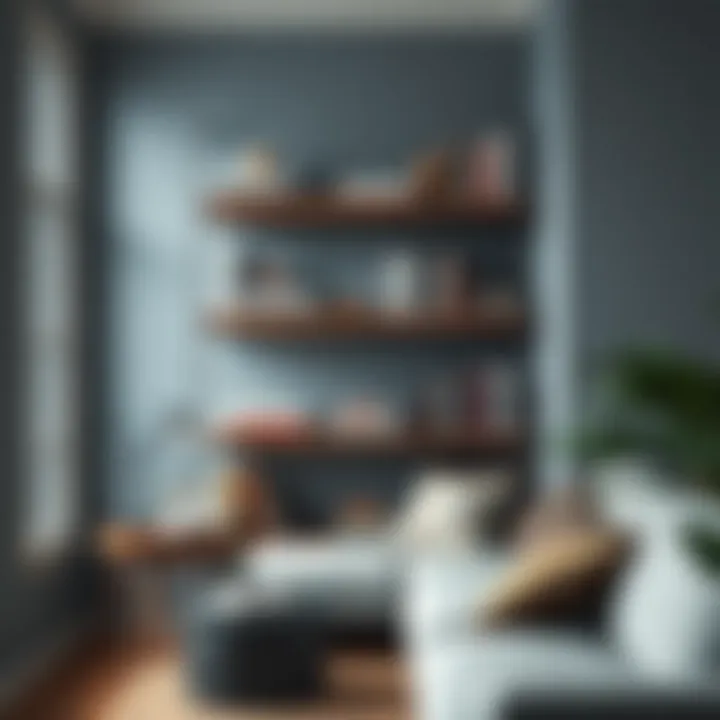
In contrast, a modern approach to rustic floating bookshelves embraces simplicity and sleek lines. Often crafted from lighter woods or metals, these shelves serve as a blank canvas for contemporary decor. Their popular characteristic of minimalism allows them to integrate well into urban spaces with open floor plans. Float them near a contemporary sectional sofa, and they can hold plants or minimalist art pieces. However, the disadvantage is that they may lack the warmth and texture often needed in a colder, more industrial design scheme.
Industrial
Industrial styles, known for their raw, exposed aesthetics, benefit immensely from rustic floating bookshelves. Shelves made from reclaimed wood paired with metal brackets echo the building materials you’d find in a converted warehouse. This beneficial choice brings a rustic charm to industrial spaces, adding a touch of warmth to otherwise stark environments. The unique feature here is their durability, making them not just beautiful, but practical as well. However, if not properly maintained, the wood can show signs of wear in the long run, which might not align with every homeowner’s vision.
Adding Character to Spaces
Rustic Themes
Rustic themes breathe life into spaces, and floating bookshelves can amplify this essence. A key characteristic of rustic themes includes the use of natural, weathered materials. These bookshelves, often handcrafted, tell a story of nature and craftsmanship. Incorporating such shelves can create a cozy little reading nook that invites relaxation and introspection. While they can add significant character, their drawback is that they may clash with modern, sleek furniture, so careful consideration is essential.
Minimalistic Designs
On the flip side, minimalistic designs harmonize with the philosophy of “less is more.” Using floating bookshelves in a minimalistic space allows for clean lines and a feeling of openness. The advantage of this approach is that the shelves can hold essential items without cluttering the visual space, making them practical for small areas. However, a disadvantage might arise in the form of a risk for the space to feel sterile or overly sparse if not balanced with warmth from other decor elements.
In summary, rustic floating bookshelves are versatile fixtures that cater to a multitude of interior styles, enhancing aesthetics while managing to underscore the character of diverse spaces. Whether through traditional charm, modern sleekness, industrial robustness, rustic warmth, or minimalistic clarity, thoughtful integration can significantly enrich one’s living environment.
Construction and Installation
When it comes to rustic floating bookshelves, proper construction and installation can make all the difference. The interplay of design, functionality, and durability hinges on how well these shelves are put together and secured. With options ranging from DIY approaches to professional installations, understanding your own capabilities and needs plays a vital role in achieving the desired outcome.
DIY or Professional Help
Assessing Skill Levels
Assessing skill levels is crucial in deciding whether to take on a project yourself or hire someone. It's about knowing your own strengths and restraint when it comes to tasks that may outmatch your capabilities. If you’ve swung a hammer a few times and understand basic carpentry concepts, you might feel confident tackling this project. Be honest with yourself, though; a poorly installed shelf can lead to disaster, especially when storing heavy books.
Factors to consider include:
- Prior experience: Have you built anything similar before?
- Comfort with tools: Are you adept with tools like drills, saws, and levels?
- Patience and problem-solving skills: Are you someone who enjoys overcoming challenges?
Being aware of these characteristics can steer you toward success. If you find yourself leaning toward the inexperienced side, hiring someone might just save you time and, honestly, potential headache.
Tools Required
Now, let’s talk tools. The right tools are paramount in ensuring that a rustic floating bookshelf not only looks good but lasts well. For those who decide to go the DIY route, knowing what tools are necessary is half the battle. Here’s a list of essential tools you might need:
- Drill: For making pilot holes and driving screws.
- Level: To make sure the shelves are even and straight.
- Stud finder: Essential for finding sturdy attachment points.
- Saw: A circular saw or miter saw for cutting wood to size.
Using the proper tools ensures a secure build, preventing future issues. However, not everyone has access to these tools, and purchasing them can add up. So if your toolbox isn’t ready to handle the task, professional installation might be the smarter move.
Installation Tips and Techniques
Leveling and Secure Attachment
Leveling is more than just a guideline; it’s literally the foundation of a successful installation of rustic floating bookshelves. If the shelves aren't level, even the most beautifully crafted pieces will appear askew, undermining the entire setup. Here’s what to keep in mind:
- Use a level: Always check before securing anything.
- Mark placement: Use a pencil to indicate where each bracket will go, ensuring they are all at the same height.
- Securely fasten to wall studs: This ensures that the shelf can bear weight without bowing, slumping, or worse, falling off the wall.
The unique advantage here is the peace of mind that comes from knowing your shelves are properly attached. It’s one less thing to worry about as you arrange your prized books or decorative items. A simple error in leveling can lead to significant problems.
Safety Precautions
Safety precautions are essential in any DIY or installation project. Ensuring you won’t be injured while working is vital. These tips serve as a reminder of the importance of employing safe practices:
- Wear safety goggles and gloves: Protecting your eyes and hands cannot be overstated.
- Use tools as intended: Misuse can lead to accidents.
- Ensure the area is clear: Having a clear workspace minimizes trip hazards.
- Avoid working alone: If something goes wrong, having someone around can be invaluable.
By utilizing safety precautions, one not only protects themselves but also the integrity of the installation process. After all, a successful rustic bookshelf installation isn’t just about aesthetics or functionality; it includes an aspect of personal safety that should never be overlooked.
"Proper planning and execution can make rustic floating bookshelves a beautiful addition to your living space, turning books into art rather than an afterthought."
Understanding construction and installation of rustic floating bookshelves is integral for anyone seeking to enrich their home aesthetic. Balancing between DIY and professional help, being mindful of safety, and having the right tools at your disposal set the stage for a successful and rewarding project.
Maintenance and Care
Taking care of your rustic floating bookshelves is critical to ensuring they not only look great but continue to serve their purpose over the long haul. These shelves are often made from natural materials that need attention to keep them in top shape. Neglecting maintenance can lead to unsightly damage and diminish the overall aesthetic appeal of your space. So let's dive into the specifics of keeping those shelves pristine.
Cleaning Methods
Recommended Cleaning Materials
When it comes to cleaning your rustic floating bookshelves, choosing the right materials can make all the difference. Typically, a soft cloth slightly dampened with water or a gentle wood cleaner is preferable. Avoid harsh chemicals that might strip the finish or leave behind residues.
A mild soap solution, for instance, can refresh the surface without causing harm. Many homeowners favor natural options like vinegar mixed with water for a less chemical approach. It’s not just about cleanliness; the right materials help preserve the wood’s character and grain, which is crucial in rustic designs.
A key characteristic of these recommended cleaning materials is that they are safe for wood surfaces. This makes them a go-to choice. Thus you get the uniqueness of rustic shelves without the risk of damage. The downside is that while these materials are effective, they may require a bit more elbow grease compared to stronger chemical alternatives.
Frequency of Maintenance
Understanding how often to clean your floating bookshelves is equally important. For daily or weekly dusting, using a microfiber cloth is often advisable. However, a deeper clean might be required quarterly or bi-annually, depending on your environment.
Humidity and temperature fluctuations can impact wooden surfaces. Hence, keeping a regular maintenance schedule helps prevent buildup of grease and grime over time. If you live in a dust-prone area, feel free to clean more often. It prevents unwanted wear and ensures the shelves don't lose their rustic charm. The only drawback here? Regular cleaning can sometimes feel tedious, but in the grand scheme, it accentuates the beauty of wood.
Preventing Damage
Handling Water Damage
Water can be the arch-enemy of wood. Handling water damage proactively is essential for the longevity of your rustic floating bookshelves. If spills occur, they should be addressed immediately to prevent the wood from warping or staining.
Using coasters for drinks or avoiding placing wet items directly onto the shelves can save a lot of headaches. This preventative strategy can be invaluable. It ensures that the finishes used retain their integrity. A unique feature of warming short-cutting to prolonged damp contact is that this can help maintain both the utility and aesthetics without hassle.
Protective Coatings
Consider applying a protective coating to enhance durability. There are many options available, from clear varnishes to waxy finishes. These coatings help create a barrier against minor accidents, such as spills and everyday scratches.
The characteristic that makes protective coatings beneficial is their ability to enhance the natural grain of the wood while providing a level of protection against damage. They qualify as a popular choice because they don't detract from the rustic charm; they often bolster it. However, it’s worth noting that they might need to be reapplied periodically, as some can wear off with time or through exposure to various elements.
Overall, understanding maintenance and care for rustic floating bookshelves is not just a task but a necessity to preserve their beauty and function in any room.
Customization Options
Customization options play a pivotal role in defining the character and functionality of rustic floating bookshelves. Unlike traditional shelving, floating designs allow homeowners to tailor their installations to fit individual tastes and needs. This flexibility not only enhances the aesthetic appeal of any space but also allows for maximum creativity when integrating personal elements. By customizing these bookshelves, individuals can express their unique style and create a piece that resonates with their home environment.
Personalizing Your Bookshelf
Color Choices
Color choices significantly impact the visual perception of rustic floating bookshelves. When selecting colors, homeowners should consider hues that harmoniously blend with their existing decor. Soft, muted tones such as sage green or warm grays can add a serene touch to a room, while bold colors like deep navy or burgundy can make a statement.
The primary characteristic of color choices is their ability to evoke emotions. For instance, a brighter palette can infuse energy into a space, making it feel lively and welcoming. On the other hand, darker shades can create a more intimate and cozy atmosphere.
A unique feature of color customization is that it allows for adaptations over time. Homeowners may choose to refresh the look of their shelves periodically as their tastes evolve. However, a disadvantage could be that darker colors might require more frequent touch-ups and maintenance to keep them looking fresh and clean.
Artistic Designs
Artistic designs can dramatically enhance the creative flair of rustic floating bookshelves. This might involve incorporating intricate patterns or textures that speak to the homeowner's artistic inclinations. Whether it’s carvings that echo nature or geometric shapes that align with a modern aesthetic, artistic designs can turn a simple shelf into a focal point.
The key characteristic of artistic designs is that they marry functionality with beauty, often allowing for personal expression. For example, a customized artistic bookshelf can reflect cultural heritage or personal milestones through symbols or motifs that matter to the owner. Choosing an artistic design can be beneficial because it pushes the boundaries of conventional shelving, inviting conversations and engaging visitors.
Yet, there are potential downsides to consider. Highly detailed designs might not suit every interior style, and they may demand greater craftsmanship and, of course, time to execute.
Incorporating Technology
As homes become smarter, incorporating technology into rustic floating bookshelves is becoming increasingly desirable. This integration can enhance the utility of bookshelves, making them not just storage units but also hubs of innovation.
Lighting Solutions
Lighting solutions can transform rustic floating bookshelves into captivating displays. Incorporating LED strips or spotlights under shelves can illuminate beloved books or decorative items, adding ambiance to the space. The understated glow from strategically placed lights creates an inviting atmosphere and can emphasize the beauty of the books themselves.
A notable characteristic of lighting solutions is their adaptability. Homeowners can choose a warm light for a cozy setting or a cooler tone for a more modern feel. Unique features such as dimmable options can also foster different moods during various times of day.
However, one might argue that the initial set-up can be a bit tricky for those unfamiliar with electrical work, and there's always the need to consider battery life or power sources for more complex installations.
Smart Features
Smart features are redefining how we perceive shelving. From automated lighting that adjusts based on time of day to integrated charging pads for devices, incorporating smart tech can make rustic floating bookshelves exceptionally functional.
The appeal of smart features lies not just in their novelty but also in their practicality. For instance, a speaker built into the shelves can fill a room with sound while maintaining the aesthetic charm of the rustic wood.
While integrating technology can offer many benefits, some disadvantages include potential compatibility issues with other smart home devices and the necessity of software updates, which can sometimes require technical know-how.
With these customization options, rustic floating bookshelves not only stand out as functional elements within a home but also tell a story that reflects individual style and modern convenience.
Inspiration and Examples
The charm of rustic floating bookshelves often stems from their unique blend of functionality and aesthetics. However, their design is not limited to just practical considerations; inspiration plays a vital role in transforming these shelves into standout features in any space. This section tries to capture how real-world examples and photographic inspirations contribute to understanding rustic floating bookshelves. It sheds light on creative ideas that can inspire homeowners and designers alike, helping them visualize how these shelves can fit into various settings.
Case Studies of Effective Installations
Examining real-life case studies of rustic floating bookshelves offers invaluable lessons on practicality and style. For example, consider a cozy living room in a renovated farmhouse. The owners chose reclaimed wood for their shelves, allowing the natural imperfections and knots to remain visible. This decision not only served an ecological purpose but also created a narrative. The shelves became a conversation starter, tying in the rustic theme with their home’s history.
Moreover, in a modern urban apartment, another homeowner decided to use metal brackets paired with reclaimed wooden shelves. This fusion of materials reflected their personal taste, blending industrial and rustic elements. Such installations show how rustic floating shelves can adapt to different styles without losing their essence. Homeowners targeting certain themes can draw ideas from these case studies, making them more relatable and inspiring.
Photographic Inspirations
visual imagery often speaks louder than words. Photographs of rustic floating bookshelves reveal textures, finishes, and arrangements that can spark creativity.
Unique Stylistic Approaches
One striking characteristic of unique stylistic approaches is their ability to blend rustic elements with contemporary designs. In a living room captured through vibrant photography, shelves crafted from weathered cedar display art pieces alongside books, illustrating harmony between functionality and artistry. This aesthetic not only enhances the visual appeal but also encourages a personalized environment. Unique stylistic approaches like this make it particularly appealing as they invite the owner to express their identity.
However, it’s crucial to choose materials wisely to ensure long-lasting beauty. For a rustic shelf, opting for durable wood types while maintaining a weathered appearance can set a fine example of how balance is achieved.
Creative Arrangements
Creative arrangements push the envelope when it comes to utilizing space effectively. Picture a hallway adorned with a series of staggered floating shelves. These are not just for books; they showcase family photos, plants, and little knick-knacks collected over the years. This key characteristic of utilizing every inch fosters an intimate atmosphere, making visitors feel right at home.
Moreover, the flexibility in creative arrangements allows for easier reconfiguration. Homeowners can change the layout based on their evolving tastes, which is a distinctly advantageous feature of floating shelves. With this adaptability, they align seamlessly with dynamic lifestyles, an appealing prospect for a diverse array of homeowners.
Culmination
The final piece of any comprehensive discussion on rustic floating bookshelves is not just about recapping thoughts, but rather cementing their place within home design. These shelving units do far more than simply hold books; they are statements that echo the personality and ambiance of a space. The importance lies in their multifunctionality and ability to adapt across various settings—be it a cozy cottage or a sleek urban apartment. This conclusion underscores the necessity of understanding these shelves as artistic elements.
Summary of Key Points
In summarizing the discussion:
- Definition and Characteristics: Rustic floating bookshelves combine functionality with aesthetic appeal, usually made from natural woods and often featuring a weathered look.
- Design Considerations: Key considerations began with choosing the right materials like reclaimed wood or metal accents, as well as sizing to suit your space.
- Functional Benefits: Their space-saving attributes are paramount; they utilize vertical space efficiently and provide versatile display options.
- Aesthetic Appeal: They complement various interior styles, enhancing a room’s character while fitting in seamlessly with rustic or modern themes alike.
- Construction and Installation: Whether opting for DIY installations or hiring a professional, proper installation techniques ensure safety and durability.
- Maintenance and Care: Understanding how to maintain these shelves, including regular cleaning and damage prevention, is crucial for longevity.
- Customization Options: Personal touches through colors and designs allow homeowners to express individuality while integrating technology can add modern flair.
- Inspiration and Examples: Observing real-life case studies provides a practical outlook that inspires creativity in arranging bookshelves.
Final Thoughts on Rustic Floating Bookshelves
Reflecting on the role of rustic floating bookshelves, these elements of décor serve not only as functional storage but as visual storytellers. They bring warmth and character into homes while allowing homeowners, designers, and DIYers to exhibit personal style. The blend of utility and beauty makes them a coveted choice in modern interior design.
Ultimately, whether one is a seasoned interior designer or a first-time homeowner, the truly insightful nature of these shelves lies in their adaptability to personal preferences and spatial constraints. Embracing rustic floating bookshelves allows individuals to cultivate an atmosphere that feels uniquely their own, making every book a whisper of their identity.