A Deep Dive into Modern Fluorescent Light Covers
Intro
Modern fluorescent light covers have evolved beyond their utilitarian roots into essential elements of contemporary interior design. Initially regarded merely as practical solutions for diffusing light, these covers now come in diverse styles, materials, and finishes, capable of enhancing the overall aesthetics of a space. In today’s world, where both functionality and beauty are paramount, understanding the nuances of fluorescent light covers is crucial for homeowners, interior designers, and DIY enthusiasts alike. This comprehensive guide will cover the various styles and materials available, installation tips, maintenance guidelines, sustainability considerations, and emerging trends in lighting design. By the end, readers will have a well-rounded grasp of how to incorporate fluorescent light covers into their living spaces effectively.
Furniture Styles
Popular Design Aesthetics
When selecting fluorescent light covers, the surrounding furniture styles play a pivotal role in establishing a harmonious environment. A well-matched light cover can either complement or overshadow the existing decor, shifting the visual balance of a room. Here’s a sampling of popular design aesthetics:
- Minimalist: Clean lines and simplicity define this style. Frosted or clear acrylic covers offer the subtlety that harmonizes with minimalist furnishings without becoming distracting.
- Industrial: Raw materials create a rustic feel. For such spaces, consider metal or textured glass covers that echo the toughness of industrial design.
- Contemporary: Modern and sleek, contemporary designs can benefit from colorful or artistic covers that act as statement pieces in a room.
- Vintage: For homes leaning into retro styles, slightly ornate or patterned covers can add a whimsical touch and replace the starkness commonly seen with traditional fixtures.
Choosing a light cover that aligns with the room's aesthetic ensures everything feels cohesive.
How to Choose the Right Style for Your Space
Selecting the right style isn’t as clear-cut as it seems. Consider these key factors:
- Room Functionality: Evaluate how the space is used. For instance, a home office could benefit from brighter, more focused lighting, while a living area could require softer options that encourage relaxation.
- Color Scheme: Harmonizing colors between your light cover and furniture can pull the room together. A bold cover can be used as an accent and should align with the broader color palette of the space.
- Height and Scale: Take into account the size of the area and the height of the ceiling. Oversized covers might dominate a small room, while petite ones may get lost in a grand setting.
- Personal Preference: Nothing beats the importance of personal taste. Browse various options, participate in local exhibitions, or check online resources such as Pinterest for inspiration.
"Choosing the right fluorescent light cover is like dressing a room; it’s about making the right statements while ensuring comfort and function."
Material Matters
Understanding Different Furniture Materials
The materials used for fluorescent light covers significantly shape their performance and look. Here are some common options:
- Acrylic: Lightweight and durable, acrylic covers are popular for their versatility. They can be molded into various shapes and can mimic glass without the risks associated with breakage.
- Glass: Offering a more upscale feel, glass covers can produce a sophisticated atmosphere and may be used in both traditional and modern settings.
- Polycarbonate: This tough material is engineered to withstand impact, making it ideal for environments where durability is crucial, like schools or commercial spaces.
- Fabric: Less common, fabric-covered fluorescent fixtures can introduce a fun, soft element, perfect for cozy areas or children’s rooms.
Eco-Friendly Material Options
In today’s environmentally aware society, choosing sustainable materials is a priority. Options like recycled glass and eco-friendly plastics are becoming more prevalent. Moreover, manufacturers are exploring bioplastics derived from plants, providing an earth-friendly alternative without compromising quality. When selecting covers, consider searching for labels that indicate sustainability or consult platforms that specialize in environmentally friendly products. Websites like Green Building Advisor can be resourceful in finding further information on this subject.
The Essence of Modern Fluorescent Light Covers
Modern fluorescent light covers play a pivotal role in achieving both functionality and aesthetics in today’s interior spaces. Often underestimated, these covers are more than mere protective casings; they collaborate with lighting components to create a harmonious environment, influencing mood, visibility, and the overall design of a room. When considering renovations or new constructions, the importance of these items cannot be overstated. They provide a blend of practicality—such as filtering harsh light—and creative potential by allowing customization to suit various styles.
Defining Fluorescent Light Covers
Fluorescent light covers are specifically designed panels or sheets that encase fluorescent light fixtures. They can be made from various materials and come in numerous styles to best match the intended use and design of a space. At their core, these covers serve the functional purpose of controlling the light emitted from fluorescent bulbs. Generally, they provide a necessary diffusion of light, softening its intensity and distributing it evenly across a surface, thus minimizing shadows and glare that could detract from the aesthetics or practicality of a space.
The Purpose and Function
Understanding the purpose of fluorescent light covers is essential for effectively integrating them into any design scheme. Here are the key functions they provide:
- Light Diffusion: By dispersing the light, these covers enhance visibility in workspaces, corridors, and other areas where clear sight and comfort are critical.
- Aesthetic Enhancement: Available in a variety of colors and patterns, these covers can become integral parts of a room’s decor. They can complement or contrast with other design elements, thus tying a space together.
- Safety and Protection: Covers protect the light fixture from dust, moisture, and physical damage, prolonging the lifespan of both the bulbs and fixtures, ultimately leading to cost savings.
- Energy Efficiency: Certain covers are designed to maximize the efficiency of fluorescent lights, helping to reduce energy consumption and lower utility bills over time.
In summary, modern fluorescent light covers serve multiple functions that directly contribute to the usability and elegance of a space. Failing to consider them can lead to an unfinished look or a poorly illuminated environment, diminishing the potential of both residential and commercial areas.
Types of Fluorescent Light Covers
When it comes to selecting the appropriate fluorescent light covers, the variety is vast, each type serving distinct purposes and aesthetic preferences. Understanding this variety not only enhances functionality but also shapes the ambiance of a space. Selecting the right cover influences not only the lighting quality but can also make a space feel welcoming or sterile. Thus, knowing what types are available and their individual benefits is crucial for homeowners, designers, and all who interact with modern interiors.
Flat Panels vs. Diffusers
Flat panels and diffusers are two popular choices when it comes to fluorescent light covers. Both serve to soften and distribute light effectively, yet they come with their own unique characteristics.
Flat panels offer a clean, minimalistic look, often fitting seamlessly into modern architecture. They are great at providing even illumination without harsh shadows, making them ideal for office environments or clinical settings. In some cases, they can even enhance energy efficiency as they direct light downward efficiently.
On the other hand, diffusers, which can be crafted from various materials such as acrylic or glass, excel in scattering light. This scattering effect reduces glare, providing a more gentle illumination that some might prefer for home settings. The ability to produce a wider distribution of light can contribute to a more cozy, inviting atmosphere within living spaces.
"Choosing between flat panels and diffusers often comes down to the specific vibe you're hoping to achieve in a room."
Louvered Covers
Louvered covers possess a distinctive design that functions beyond mere aesthetic appeal. They consist of slats that allow light to pass through while simultaneously controlling the direction of that light. This not only reduces glare but also serves to minimize the visibility of the fluorescent lamp itself, which can be beneficial in a variety of settings.
These covers excel in spaces requiring focused lighting, such as workstations or craft areas, where precise illumination is necessary. Additionally, they can contribute a modern touch, enhancing the overall décor of a room while aligning with functional needs. As energy conservation and light direction become more critical in contemporary design, louvered covers meet these demands quite well.
Custom Designs
For those looking to make a statement or align with specific design themes, custom fluorescent light covers offer a world of possibilities. With advancements in technology, manufacturers can create bespoke solutions tailored to individual client needs. This flexibility allows for incorporation of unique patterns, colors, and materials that reflect the personality of the space.
Custom designs can serve to align with corporate branding in commercial spaces or to simply add a personal touch to homes. From artistic, colorful covers that serve as focal points in children's rooms to sophisticated designs that complement modern kitchens, the possibilities are nearly endless.
By opting for custom covers, one can harmonize lighting solutions with interior aesthetics, enhancing both visual appeal and functionality.
In summary, understanding the various types of fluorescent light covers provides valuable insight for making informed decisions that best fit specific environments. Choosing the right cover can influence not just the quality of light but also contribute significantly to the overall aesthetic of a space.
Materials Used in Fluorescent Light Covers
Understanding the materials used in fluorescent light covers is critical for both function and aesthetic appeal. The choice of material can affect the durability, light diffusion, and overall look of the space. This section dives into the various options available, discussing their benefits and considerations. A thoughtful selection will illuminate your space just right, ensuring both style and functionality are not left in the dark.
Acrylic vs. Polycarbonate
When it comes to transparency and resilience, acrylic and polycarbonate are often the top contenders. Acrylic is lighter and more widely used due to its glass-like clarity and ease of use. It offers good impact resistance and can be molded into various shapes, making it a favorite for designers. However, it can scratch easily, requiring some extra care.
On the other hand, polycarbonate is the heavyweight champion in the realm of toughness. It withstands much higher impacts than acrylic, which makes it ideal for environments where durability is essential, such as schools or public spaces. Although generally more expensive, polycarbonate’s longevity can justify the investment. Both materials can be treated to enhance light diffusion, thus improving the overall lighting quality.
"Choosing the right cover material can be a game changer in how light is perceived in a room."
Glass Options
Glass covers bring a sense of elegance and sophistication to lighting fixtures. Unlike plastic options, glass is often perceived as high-end and sturdy. Moreover, it is more resistant to yellowing over time, making it a preferred choice for those who want a long-lasting aesthetic. There are various types of glass available, such as frosted, etched, or clear, each offering a unique way to manipulate light.
However, it's important to consider that glass is more susceptible to breakage than other materials. For busy environments, using tempered glass can resolve this issue. This type is designed to be safer and more durable, providing peace of mind alongside style.
A disadvantage could be installation, as glass covers are generally heavier and may need additional support. So, make sure to check compatibility with your existing fixtures.
Eco-friendly Materials
A growing consciousness toward sustainability has led to the development of eco-friendly materials for fluorescent light covers. Options such as recycled plastics or bioplastics are now becoming much more common in the market. These materials significantly reduce the carbon footprint and can offer beautiful designs without compromising on functionality.
Additionally, utilizing materials that are easier to recycle at the end of their life cycle can make a significant impact. Going green not only appeals to environmentally-conscious consumers but can also help in qualifying for certain certifications in building projects, making it a win-win situation for many.
Aesthetic Considerations
In the realm of interior design, aesthetic considerations can elevate a space from mundane to mesmerizing. Fluorescent light covers, often overshadowed by their functional counterparts, play a pivotal role in the visual narrative of any room. With the right choice of materials, colors, and patterns, these covers can enhance or even redefine the ambiance of a space.
One should not underestimate the impact of aesthetics on the overall mood and functionality of interiors. In environments where lighting is critical—like offices, schools, or shops—the visual aspects help to create an engaging atmosphere while maintaining functionality.
Color and Finish Options
When it comes to colors and finishes, the possibilities are as vast as the spectrum of light itself. Fluorescent light covers can come in various hues, each carrying its own psychological implications. For instance, cool colors like blues and greens can foster a peaceful environment, ideal for bedrooms and meditation spaces. In contrast, vibrant reds and oranges can infuse energy and vitality, making them suitable for fitness centers or creative studios.
Furthermore, the finish of the cover—glossy, matte, or textured—can impact both aesthetics and functionality. Glossy finishes may enhance brightness by reflecting more light, while matte or textured surfaces can diffuse light more evenly, reducing glare. This careful balance between aesthetics and performance is crucial for achieving the desired effect in any room.
Patterns and Textures
Adding depth through patterns and textures can convert a standard fluorescent light cover into a statement piece. From sleek geometric shapes to floral designs, patterns can resonate with the style of the space. Textured surfaces can create visual interest, captivating the gaze and drawing attention upward, thus expanding the perception of height in a room.
For example, a kitchen adorned with textured covers might suggest warmth, inviting family and friends to gather. Conversely, a minimalist office could showcase sharp, clean lines in the cover design to emphasize professionalism. Ultimately, it’s about capturing the essence of the space while harmonizing light reflection and absorption.
"Light is the first element of design; it is the one thing that shapes our experience of space."
Blending with Interior Design
No matter how stunning a fluorescent light cover might be, it serves its best purpose when it seamlessly integrates with the surrounding interior. Color coordination and design compatibility are significant. Designers should consider the architectural elements of a room—the wall colors, furniture styles, and even decorative accents.
When light covers blend well with the interior design, they not only enhance beauty but also contribute to a cohesive narrative. A light cover that mirrors the textures of wooden furnishings or complements the color palette found in artwork can cultivate a unified look.
Homeowners and designers alike can explore combinations that resonate with their individual tastes while ensuring that lighting remains both functional and flattering.
In summary, aesthetic considerations in fluorescent light covers transcend mere appearance. They embody a fusion of art and science, dictating how light interacts with space and how individuals experience their environments. A thoughtful selection can lead to not just utility but also to a rich tapestry of visual delight.
Installation Insights
When it comes to modern fluorescent light covers, installation is not just a practical step—it’s crucial in ensuring both performance and aesthetics. Understanding the nuances of installation can significantly affect the lifespan of the fixtures and their overall efficiency. An improper installation might lead to flickering lights, uneven lighting, or even increased energy costs. For homeowners, designers, and anyone looking to enhance their living spaces, knowing how to properly install fluorescent light covers can save time and money in the long run.
DIY Installation Steps
For those inclined to roll up their sleeves and tackle the project independently, DIY installation of fluorescent light covers can be a rewarding experience. However, careful planning and execution are vital to achieve the desired look and enhance functionality. Here’s a step-by-step guide:
- Gather Necessary Tools and Materials: Before tackling the installation, ensure you have all the necessary tools on hand. Common items include a ladder, screwdriver, drill, and perhaps a level. Don’t forget the safety goggles!
- Turn Off Power Supply: Safety first! Before doing anything, locate the circuit breaker and turn off the power supply to the area where you will be working. This step can’t be overstated—nobody wants a light show they didn’t ask for.
- Remove Existing Covers: If you’re replacing an old cover, remove it carefully. Depending on the design, this may require unscrewing or unclipping it. Keep parts together to avoid losing anything.
- Position the New Cover: Align your new fluorescent light cover with the fixture. Ensure that it fits snugly and is level.
- Secure the Cover: Fasten the cover according to the manufacturer's instructions. Make sure it is tightly secured to prevent any flickering or movement.
- Reconnect Power: Once everything is in place, it’s time to turn the power back on. Test the light to ensure everything is functioning properly.
"A good installation can prevent countless headaches down the line."
These steps are fairly straightforward, yet they require attention to detail. Completing this project successfully can give you a sense of accomplishment.
Hiring Professionals
While DIY installation can be satisfying, there are moments when calling a professional is the best way to go. Hiring experts can save you from potential pitfalls. Here are some considerations when deciding to hire a professional for your fluorescent light cover installation:
- Complexities of the Space: If your home has an unusual layout or requires special mounting solutions, a professional will have the expertise to navigate these challenges. They’ll know what fits best and what doesn’t.
- Time Constraints: If you find yourself short on time or overwhelmed with other responsibilities, hiring a professional can free you up to focus on other priorities.
- Safety and Code Compliance: Professionals are trained to adhere to safety standards and local regulations. This knowledge ensures a safer installation, which can be especially crucial if electrical work is involved.
- Warranty: Many professionals offer a warranty on their work, adding an extra layer of security on your investment.
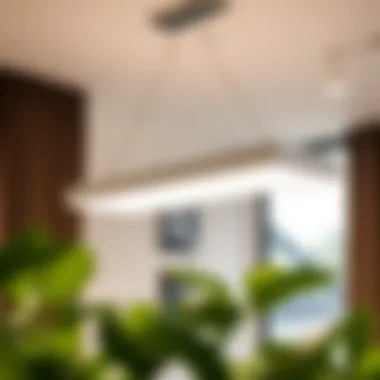
In summary, proper installation insights provide essential guidance whether opting for a DIY approach or seeking professional help. Understanding each aspect can elevate the quality of your lighting solution and contribute meaningfully to your space.
Maintenance and Care
In exploring fluorescent light covers, one must not overlook the significance of maintenance and care. Proper upkeep not only prolongs the life of these fixtures but also enhances their appearance and functionality. If neglected, dust accumulation, discoloration, and other issues can arise, detracting from the overall aesthetic and operational efficiency of the lighting system. This section outlines vital strategies for maintaining and caring for fluorescent light covers, ensuring that they remain a seamless part of modern interior design while also functioning optimally.
Cleaning Techniques
Cleaning fluorescent light covers is a task that often falls by the wayside, yet it is critical for preserving illumination quality. Here are several effective techniques to keep in mind:
- Dusting Regularly: Use a soft, dry microfiber cloth to dust the surface. This simple act can help prevent the buildup of grime that makes covers appear dingy.
- Avoiding Harsh Chemicals: When it comes to deeper cleaning, opt for gentle solutions like warm water mixed with a mild dish soap. Harsh chemicals can damage the surface of the cover.
- Gentle Scrubbing: For stubborn stains, a soft spongue dampened with your cleaning solution can work wonders. Always test a small area first to make sure there are no adverse reactions.
- Replacing Filters: If your fluorescent lights are equipped with filters, check them regularly. Filters should be cleaned or replaced every few months to maintain optimal light quality and reduce strain on the bulb.
- Regular Schedule: Establishing a regular cleaning schedule and sticking to it helps avoid the forgetfulness that can lead to a buildup of dirt and grime.
Tip: Always turn off the lights and allow them to cool down before attempting to clean the covers. Safety first!
Troubleshooting Common Issues
Despite proper maintenance, issues can arise with fluorescent light covers. Knowing how to troubleshoot these problems can save homeowners and designers time and headaches. Here are some common issues and their resolutions:
- Flickering Lights: This can often be fixed by checking if the bulbs are securely installed. Loose bulbs can create a flickering effect.
- Discoloration: Over time, covers may yellow due to age or UV exposure. While cleaning can help, replacement may be necessary. Consider investing in covers made from UV-resistant materials to prevent this in the first place.
- Dimming Lights: If the light output has decreased, it might be due to dirty covers or dying bulbs. Replace bulbs or clean light covers to restore brightness.
- Physical Damage: Cracks or scratches on the cover can impair light distribution. Replace damaged covers for safety and efficiency.
- Unexpected Noise: Buzzing or humming can indicate a problem with the ballast. It’s advised to sometimes consult a professional if this issue persists, as it could mean replacement is required.
By paying attention to maintenance and caring for fluorescent light covers, one can enhance not just the lighting efficiency but also the aesthetics of any space. This approach ensures that homeowners and designers alike can enjoy the practicality and beauty that modern fluorescent lighting offers.
Sustainability in Lighting Design
Sustainability has become a buzzword in various sectors, including interior design and architecture. In the context of fluorescent light covers, the emphasis on sustainability is not just about doing the right thing; it's about making informed choices that can have tangible benefits for both the environment and the user. As consumers and professionals become increasingly eco-conscious, integrating sustainable lighting solutions can enhance the aesthetic value and functionality of spaces.
Impact on Energy Consumption
The role of lighting in energy consumption is significant. Standard fluorescent lights can consume a fair amount of electricity, which translates into higher utility bills. However, modern fluorescent light covers are engineered to optimize this very aspect. With advancements in technology, many covers now include reflective materials that enhance light output while reducing the energy needed for illumination. This creates a win-win scenario where you achieve brighter spaces without the escalating costs.
- Use of LEDs: Many modern setups are moving from traditional fluorescent bulbs to LED options. These are not only more energy-efficient, but they also produce less heat, thus preserving the life of the light covers themselves.
- Lighting Controls: Incorporating smart technologies, such as timers or motion sensors, allows for better management of energy use. For example, if a space is only occupied at certain hours, these controls can dim or turn off lights when not in use.
- Design Factors: Light covers that diffuse or direct light effectively allow for optimal use of each bulb's potential. It means less energy wasted and a more sustainable approach to lighting overall.
Recyclability of Materials
When discussing sustainability, recyclability often takes center stage. Many materials used in today's fluorescent light covers are emerging as sustainable options. With a growing focus on the lifecycle of products, ensuring that materials can be recycled or reused is crucial for modern design.
- Acrylic and Polycarbonate: These materials, although designed for durability, can often be recyclable. Many manufacturers have established take-back programs to ensure proper recycling, reducing landfill waste and encouraging responsible consumption.
- Glass Components: Traditional glass is another material that holds significant potential for recycling. If a glass light cover breaks, it can be melted down and reformed into new products, closing the loop in material usage.
- Consumer Awareness: An educated consumer base is vital in promoting the use of recyclable materials. When homeowners and designers choose products made from sustainable materials, they push the industry towards greener practices.
"The act of selecting sustainable products is not just a trend; it's a crucial step towards preserving our environment for future generations."
Future Trends in Fluorescent Light Covers
As we delve into the future of fluorescent light covers, it’s pivotal to recognize that these designs are evolving to meet the demands of modern interiors and environments. Not just a functional element, the covers are becoming an integral part of the aesthetic and technological landscape of our living spaces. With growing emphasis on energy efficiency, sustainability, and smart technology, the spotlight is on innovative solutions that will define the next generation of fluorescent lighting designs.
Technological Innovations
The wave of technological advancements is making significant strides in the world of fluorescent light covers. One of the most notable trends is the integration of LED technology into these designs. Unlike traditional fluorescent bulbs, LEDs offer longer life spans and reduced energy costs, shaping a more sustainable approach to lighting. Moreover, manufacturers are now experimenting with coatings that enhance light diffusion while maintaining high levels of brightness and color temperature consistency.
Another exciting development is the use of 3D printing in the creation of bespoke fluorescent light covers. This technology allows for a plethora of designs, including complex geometric shapes that would be impractical with traditional manufacturing methods. Such custom designs not only add uniqueness to interiors but also facilitate better light distribution, enhancing the overall ambiance of a room.
"The future of lighting is not just about illumination; it's about creating an experience that resonates with users across different contexts."
Integrating Smart Technologies
Smart home technologies are slowly creeping into every facet of our lives, and fluorescent light covers are no exception. With the rise of smart lighting systems, homeowners can now control their lighting via smartphones or smart assistants. Imagine the convenience of adjusting the brightness or color temperature of your fluorescent lights through a simple voice command or tap on an app.
Additionally, some new covers feature sensors that can automatically adjust lighting based on the time of day or the presence of individuals in the room. This means that lights brighten as someone enters and dim when they exit, contributing to energy savings and an enhanced living environment. By merging aesthetics with functionality, smart technologies are poised to redefine how we perceive and interact with our lighting solutions.
With the call for greener solutions in lighting design, the future holds an exciting promise. It beckons a generation of fluorescent light covers that marry beauty with brains, ensuring that they are not only eco-friendly but also align with the demands of contemporary life.