Maximizing Kitchen Storage with Effective Closet Organizers


Intro
In a world where space often feels at a premium, the kitchen stands as a pivotal area for both functionality and aesthetics. Kitchen closet organizers become not just an accessory but an essential toolkit in creating an efficient cooking and dining haven. Selecting the right organizer can transform cluttered chaos into a visually pleasing display that enhances both the usability and appearance of the kitchen. With the dizzying array of options available, it’s important to understand why kitchen organizers matter, how they can be customized to suit individual needs, and how they intertwine practicality with design.
The exploration of kitchen closet organizers begins with understanding your own kitchen layout and style preferences. This guide will take you through various aspects of kitchen organizers, touching upon styles, materials, and essential tips to optimize each inch of available space. From traditional wood designs to sleek, modern metal, and the growing trend of eco-friendly materials, making informed choices will ensure your kitchen remains both functional and stylish.
As we delve deeper into this guide, keep in mind that the principles addressed herein will not only apply to homeowners but also to designers, DIY enthusiasts, and anyone looking to make their kitchen work harder for them. By the end, you will have a well-rounded grasp of how to elevate your kitchen’s efficiency and charm through the right closet organizers.
Foreword to Kitchen Closet Organizers
A well-organized kitchen closet can be a game changer in every home. It is not just about aesthetics; it's about functionality and creating a space where meal prep becomes an effortless task. Whether you’re a culinary wizard or someone who simply enjoys the occasional toast, having everything at your fingertips streamlines the cooking process. In this section, we dive into why thoughtfully designed kitchen closet organizers don’t only maximize space but also enhance the overall user experience within the kitchen.
Understanding the Importance of Organization
Every inch of a kitchen can be a little goldmine for organization. With the right closet organizers, the chaos of a cluttered space transforms into a seamless workflow. Picture this: You’re trying to locate that elusive jar of cinnamon hidden amongst an avalanche of baking supplies. In the midst of this, frustration builds. You’re not alone—disorganization is a common woe in many kitchens. However, by leveraging the appropriate organizers, one can significantly reduce time spent searching for items. Typically, most households might underestimate the role of organization, often leading to inefficiencies and waste of resources.
Organization goes beyond mere tidiness. It creates a mental space, allowing creativity to flourish and making cooking a joy rather than a chore. Consider this—when countertops are clutter-free and ingredients are easily accessible, you can whip up meals without losing your cool. Diving deeper into why organization matters, it’s fundamentally about self-management, especially in today’s fast-paced world.
Benefits of a Well-Organized Kitchen
A well-thought-out kitchen organizer system reaps a myriad of benefits that extend far beyond simple visual appeal. These are some compelling advantages:
- Efficiency in Cooking: A tidy kitchen speeds up meal prep time. With everything at arm’s length, it cuts down on the time spent scrambling around.
- Reduced Waste: When storage systems are in place, food products are clearly visible, significantly decreasing the likelihood of forgetting about items until they spoil.
- Enhanced Safety: Clutter can lead to accidents. A clean kitchen is a safer kitchen, minimizing the chance of spills and slips.
- Increased Property Value: Homes with well-organized kitchens can attract potential buyers, driving up property values. When kitchens look like they’ve been cared for, it signals to buyers that the entire home has been meticulously maintained.
- Improved Aesthetic Appeal: A visually pleasing kitchen creates an inviting atmosphere. The right organizers can reflect personal style while promoting a sense of calmness during food preparation.
To sum it up, the importance of organization in the kitchen is multifaceted. It affects not only how smoothly a cooking session can flow but also how a home is experienced on a daily basis. A kitchen that’s well-organized becomes a sanctuary where creativity and nourishment come together.
"Good organization is key to a successful cooking experience, transforming chaotic spaces into efficient workflows."
By establishing a system that works for your specific needs, you cultivate more than just an organized kitchen; you create a personalized haven that enhances daily life.
Types of Kitchen Closet Organizers
When it comes to making the most of your kitchen space, understanding the different types of kitchen closet organizers is paramount. Each kind serves a specific purpose and can significantly affect how efficiently you can store and access your kitchen items. Embracing the right organizer not only helps in maximizing space but also enhances the overall aesthetic of your kitchen. From simple shelving units to innovative over-the-door designs, these organizers can cater to various storage needs and personal styles.
Shelving Units
Shelving units are the backbone of any organized kitchen closet. They provide sturdy platforms for storing everything from canned goods to kitchen appliances. Their versatility cannot be understated: you can customize the height, width, and depth of the shelves to suit your specific items. Moreover, they can be made from various materials such as wood, metal, or even glass, allowing you to blend functionality with style. It's crucial to keep in mind the load-bearing capacity you’ll need based on what you plan to store.
- Common materials for shelving units include:
- Wood: Offers a classic look.
- Metal: Great for durability and modern aesthetics.
- Plastic: Lightweight and easy to clean.
A well-structured shelving unit allows for easy visibility and access to your cooking ingredients while ensuring that everything has its designated place.
Pull-Out Drawers
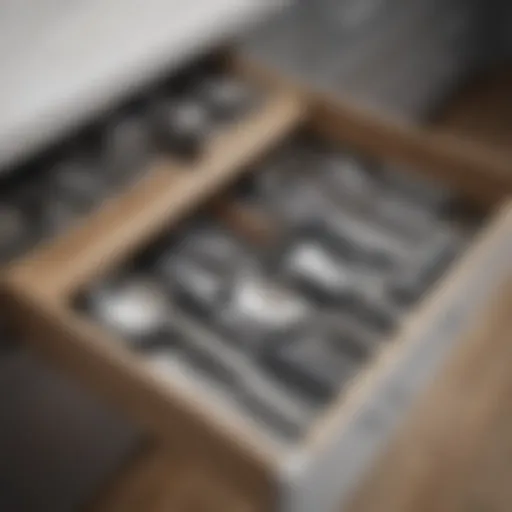
Pull-out drawers are not just for bedrooms or bathrooms; they are an absolute game-changer for kitchen closets too. They offer an orderly way to store various items, especially in lower cabinets where deep spaces can be challenging to navigate. The beauty of these drawers lies in their accessibility – simply pull out, and you can see all that you've stacked away.
These drawers can be designed as tiered-style organizers to help with items that often get lost at the back. For example, pots and pans can fit neatly in a specially constructed pull-out drawer, making it much easier to grab the one you need without a fuss.
- Key benefits of pull-out drawers:
- Easy access to items, minimizing the potential for clutter.
- Reduces strain from bending over or reaching deep into spaces.
- Can be equipped with dividers for further organization.
Lazy Susans
Lazy Susans are perhaps one of the most ingenious inventions in kitchen organization. These rotating trays, often circular, allow you to optimize corner spaces and either upper or lower kitchen cabinets. They make it easy to reach for those hard-to-reach items, be it a jar of pickles or a bag of flour.
- Considerations when using Lazy Susans:
- Ideal for spice storage, condiments, or smaller kitchen gadgets.
- Helps in managing deep cabinets without losing track of what’s behind.
Alongside the obvious practical benefits, Lazy Susans can add a touch of whimsy to space, depending on how they are styled.
Spice Racks
Every cook knows that spices can define a dish, but if they’re crammed into a dark corner, their potential is wasted. A dedicated spice rack allows you to display your spices in an organized manner, making it easier to access them while cooking. They come in various designs, including wall-mounted racks, tiered shelves, or even pull-out drawer versions.
- When setting up a spice rack, keep these in mind:
- Clear labeling is key!
- Try to store spices in a cool, dry place to maintain their flavor.
- Use containers that make it easy to measure out what you need.
By creating a dedicated space for spices, you'll not only speed up your cooking process but also elevate the visual appeal of your kitchen.
Over-the-Door Organizers
Over-the-door organizers are clever solutions for those dealing with limited space. Whether it’s a cabinet door or the pantry door, these organizers can hang right over and store items without taking up essential cabinet space. They are particularly great for storing items like cleaning supplies, small utensils, or snacks.
- Benefits of over-the-door organizers include:
- Increased storage without needing extra floor space.
- Easy visibility of contents.
- Versatility; can be used in various areas beyond the kitchen, like bathrooms or laundry rooms.
These organizers are a must-have for maximizing every inch of your kitchen while keeping daily essentials close at hand.
In essence, the right kitchen closet organizer can significantly enhance both the functionality and aesthetic value of your kitchen. By understanding the distinction between the various types and their specific applications, you can tailor an organization system that perfectly suits your lifestyle.
Materials for Kitchen Organizers
Choosing the right materials for kitchen organizers is akin to picking the right ingredients for a delicate recipe. The materials not only impact the functionality and durability of the organizers but also play a significant role in the overall style and aesthetic appeal of your kitchen. As you navigate through various options, it's vital to consider specific elements that can elevate your kitchen storage solutions while maintaining practical usability.
Wood Options and Their Aesthetic Impact
Wood is a classic choice when it comes to kitchen organizers, offering warmth and a rugged elegance that can’t be helped but admired. Different types of wood, such as maple, cherry, or walnut, bring unique textures and colors that complement various kitchen designs.
Furthermore, wood options can create a cohesive look, blending seamlessly with cabinetry or countertops. They often showcase beautiful grain patterns that add character and sophistication. When selecting wood organizers, consider your kitchen’s overall style. For instance, a rustic farmhouse kitchen would be perfectly complemented by reclaimed barn wood shelves, while a sleek, modern kitchen might shine with minimalist bamboo organizers.
Keep in mind durability; higher-quality hardwood options tend to withstand the test of time better than softer woods. A well-crafted wooden organizer can become a statement piece, highlighting your personal style while keeping your kitchen tidy.
Metal Organizers and Durability
Metal organizers are another strong contender for kitchen storage solutions, particularly due to their extraordinary durability. These options usually feature materials like stainless steel or aluminum, known for their strength and resistance to wear and tear.
The practicality of metal organizers is hard to overlook. They resist rust and corrosion, making them ideal for kitchens where moisture may be a factor. This means less maintenance and worry about deterioration over time. Metal shelving or racks can also have a sleek, contemporary look that suits modern aesthetics.
Additionally, metal organizers are versatile; they can fit seamlessly into various styles, from urban industrial to chic modern designs. Consider using metal baskets for a stylish yet durable way to store pantry items or spices. Their metallic sheen can catch the eye, adding a touch of sophistication while functioning as a reliable storage solution.
Plastic Considerations for Budget-Friendly Solutions
For those working with stricter budgets or seeking lighter options, plastic organizers can be an appealing choice. They offer an array of colors, styles, and sizes, making it easy to find the perfect fit for any kitchen. One of the standout benefits of plastic organizers is their affordability. They tend to come at a fraction of the cost compared to wood or metal types, allowing for greater flexibility in how you mix and match storage solutions.
Although some might question aesthetic appeal, modern plastic organizers have vastly improved in design. With chic finishes and vibrant colors, they can enhance your kitchen's look without a hefty price tag. However, one should be mindful of the quality; opting for high-density plastic ensures sturdiness and longevity.
In terms of functionality, plastic organizer bins or caddies can be valuable for keeping odds and ends together. They are often lightweight, easy to move, and can be cleaned without fuss—perfect for busy kitchens.
In summary, the choice of materials for kitchen organizers can profoundly affect both function and style. By assessing your needs and understanding the strengths of each material, you can create an organizational system that elevates your kitchen.
When you're ready to embark on the journey of organization, let these material considerations guide you towards a kitchen that is both beautiful and functional.
Choosing the Right Organizer for Your Space


When it comes to organizing your kitchen, selecting the perfect organizer isn't just a trivial matter; it holds the key to optimizing space and enhancing usability within your home. The kitchen is often considered the heart of the home, and how you arrange it can influence not only functionality but also the entire cooking and dining experience. By carefully choosing the right organizers, you can free up valuable counter space, streamline the cooking process, and even elevate the aesthetic of your kitchen.
Evaluating Kitchen Layouts
Before you make any purchases, spend some time evaluating your kitchen layout. Is it an open concept, or a more traditional closed layout? The functionality is deeply tied to how the space is set up. For instance, an L-shaped kitchen might benefit from corner shelving or pull-out drawers that make the most of hard-to-reach spaces. Conversely, a galley kitchen, known for its narrow design, might require slimline organizers that fit into tight spots without overcrowding the area. Here are some things to consider:
- Traffic Flow: Consider how you move around the kitchen. You want to ensure that the organizers you choose do not impede movement.
- Accessibility: Think about how often you use certain items. More frequently used tools and ingredients should be easier to reach.
- Visual Appeal: Good organization can enhance the overall look of your kitchen. Opt for organizers that match or complement your decor.
Taking these factors into account will help you make informed choices that align with practical needs and design intentions.
Assessing Storage Needs and Usage Patterns
Next on the agenda is assessing your specific storage needs and how you use your kitchen. This involves a deep dive into the items that occupy your kitchen and how you utilize them day to day. Consider the following:
- Inventory of Items: Make a thorough list of what you typically have in the kitchen. Are there appliances that rarely see the light of day? What about your spices and pantry staples? Knowing what you have helps in selecting suitable organizers.
- Frequency of Use: Some items might be used daily, while others gather dust. Your choice of organizers should reflect this. For instance, a pull-out spice rack might be ideal for someone who cooks often, while less-used bakeware can be stored on higher shelves.
- Storage Trends: Note any trends in how you’re using your kitchen. Perhaps there’s been a shift toward meal prep, requiring more organized storage for ingredients. Staying attuned to these trends means you won’t just buy organizers, you'll buy solutions that fit your evolving needs.
Designing your kitchen storage around how you actually use your space can lead to remarkable improvements. A well-planned organization system can often eliminate kitchen clutter and chaos, facilitating a more streamlined cooking and dining experience.
"The right organizer not only creates space but also transforms how you interact with your kitchen."
Installation Process for Closet Organizers
When it comes to kitchen closet organizers, installation isn't merely a technical task; it's a pivotal phase that transforms a chaotic space into a cleverly managed one. Taking the time to understand the installation process can greatly enhance the performance of your chosen organizers and boosts the overall functionality of your kitchen. Improper installation can lead to disarray, wasted time, and in some cases, damage to the products. That’s why it's crucial to approach this process with finesse and the right tools.
Essential Tools Required
Before embarking on the journey of installation, prepping the toolkit is necessary. Having the right tools on hand not only streamlines the process but also ensures precision. Here’s a list to consider:
- Screwdriver - A trusty screwdriver (either a Phillips or flathead) is essential for securing brackets and screws.
- Level - This tool ensures that everything is aligned perfectly, avoiding that annoying tilt that can catch the eye.
- Drill - Depending on the materials of your closet and the organizers, a drill saves a heap of time and effort.
- Measuring Tape - Measure twice to install once. This avoids any potential mishaps.
- Pencil - For marking spots where you’ll drill holes or hang shelves.
- Stud Finder - To locate the best spots for secure anchoring, especially if you're working with heavier items.
- Safety Goggles - Protecting your eyes during installation is crucial; safety first!
Step-by-Step Installation Guidelines
Installing your kitchen closet organizers might seem daunting at first, but breaking it down can make it feel like a piece of cake. Here are clear steps to follow:
- Plan Your Layout: Start by laying out what you’d like to install. Consider what items you want to store and their sizes. Visualizing helps in deciding where each organizer will go.
- Gather Tools: Before getting to work, ensure all tools mentioned earlier are at hand. A well-prepared workspace boosts efficiency.
- Measure and Mark: With your measuring tape, measure the area where the organizer will go. Use a pencil to mark where screws and brackets will go. Keeping both eyes on accuracy is key.
- Locate the Studs: Utilizing a stud finder, make sure you know where the studs are in the wall. You’ll want to anchor those heavier items into studs for maximum support.
- Drilling Holes: Drill holes according to your markings. If you’re going for a shelf, ensure the holes are level to prevent a lopsided shelf.
- Attach the Brackets or Rails: Use your screwdriver to secure the brackets or rails. These fixtures will bear the weight of the organizers, so make sure they’re sturdy.
- Install the Organizers: Finally, slide in the organizers. Make adjustments as needed. For pull-out drawers, ensure they're aligned and can slide smoothly.
- Inspect and Adjust: Once everything is installed, take a moment to inspect your handiwork. Adjust any misaligned pieces and give everything a final check.
"A well-planned installation not only maximizes space but also enhances the efficiency of your kitchen organization."
By following these guidelines meticulously, you can install your kitchen organizers with confidence, ensuring not only that they look terrific but also function effectively, meeting all your storage needs.
Maintaining Your Kitchen Organizer
Keeping your kitchen fog-free of clutter and chaos is no small feat; it’s almost a daily adventure. Maintaining your kitchen organizer isn’t just about tidying up every now and then. It's about establishing a consistent routine that helps you get the most out of your space. When you dedicate time and effort to maintaining your system, you not only preserve functionality but also enhance the overall aesthetics of your kitchen.
Regular maintenance can save you time, money, and frustration in the long run. Just like a well-tuned car rides smoothly, a well-maintained organizer works seamlessly, making it easier to access items right when you need them. Let’s dive into some practical steps to keep your kitchen organizers in top shape.
Design Considerations for Kitchen Closets
When undertaking the task of organizing your kitchen, design considerations become paramount. Thoughtful design not only elevates the functionality of your kitchen closet but also ensures it complements the overall aesthetic of your home. A well-planned organization system creates a seamless flow and enhances efficiency while cooking or prepping meals.
In this section, we'll explore critical elements such as color schemes and personal style, highlighting their significance in crafting a cohesive kitchen environment that you can take pride in.
Color Schemes and Visual Cohesion
Color plays a significant role in how spaces are perceived, and it's just as crucial when planning kitchen closet organizers. A harmonious color scheme can set a specific mood, drawing in warm, inviting vibes or perhaps a sleek, modern feel.
Key Benefits of a Cohesive Color Palette:
- Visual Appeal: When colors are coordinated, it creates a more polished and sophisticated look that can elevate your kitchen.
- Psychological Impact: Colors influence emotions; for instance, softer tones create tranquility while bolder colors can energize the space.
- Enhances Space Perception: A light color scheme may make small spaces feel larger, while darker shades can add depth and intimacy.


Furthermore, integrating colors from your cabinets, walls, and countertops into your closet organizers can help maintain a flow throughout the room. Consider using neutral shades with pops of vibrant colors to create an eye-catching focal point while retaining an overall calm look.
Utilizing tools such as color swatches or digital design apps can assist in visualizing the outcome before making any commitments. Here are a few tips to keep in mind:
- Choose colors that complement not only the kitchen but also other rooms leading into it.
- Test colors in various lighting conditions to see how they appear throughout the day.
"Cohesive designs don’t scream for attention; they whisper elegance."
Incorporating Personal Style
After establishing the color palette, the next step is about infusing your personal style into the kitchen closet design. Why blend in when you can stand out? Your kitchen should be a reflection of your personality.
Ways to Showcase Your Style:
- Functional Yet Stylish Organizers: Opt for organizers that not only serve a purpose but also reflect your aesthetic. For example, bohemian woven baskets can add texture, while sleek metal organizers can offer a industrial feel.
- Unique Accessories: Use decorative hooks that fit your theme, be it rustic, modern, or vintage, to enhance functionality while showcasing your taste.
- Artwork and Decor: Remember, the kitchen can double as a semi-living space. Consider adding decor pieces that resonate with you—a quirky coffee mug rack or a chic spice jar set can both serve a purpose and display your flair.
The interplay of design, color, and personal aesthetics transforms a mundane storage area into a vibrant expression of your style.
In summary, investing time in the design considerations of your kitchen closet not only enhances its functionality but provides an opportunity to express your individuality and taste in a space that is central to daily life.
Sustainable Choices in Kitchen Organizers
In today's world, sustainability has become a buzzword that many people associate with everything from fashion to technology, but it runs just as deep in home organization. Choosing sustainable kitchen closet organizers not only lessens our environmental footprint but can also enhance the overall quality and longevity of our household items. It's about making responsible decisions that marry functionality and eco-friendliness. In this section, we'll delve into materials and designs that make a positive impact, while also ensuring you'll be able to keep your kitchen organized in style.
Eco-Friendly Materials
When thinking about eco-conscious options, starting with materials is essential. Wood from sustainable forests is one option. Instead of the usual plyboard, consider bamboo or reclaimed wood. Bamboo, in particular, is a grass that grows quickly and regenerates without harmful chemicals. It’d be a good choice, often used in various organizers, from drawer dividers to spice racks.
Moreover, recycled metal organizers can also serve a dual purpose. They bring durability and resistance to rust and rot, making them not only a savvy investment but also a choice in alignment with eco-friendly practices. Here are some eco-friendly materials you might come across:
- Recycled Plastic: While plastic gets a bad rap, recycled plastic utilizes waste, keeping it from landfills. The result can be functional containers for utensils or dry goods.
- Cork: Not only does it make a cushy surface for jars and bottles, but cork is also a renewable resource that is harvested without harming the trees.
- Natural Fiber Baskets: These can be made from seagrass, jute, or rattan. They add a warm touch to your closet, while being biodegradable.
You know what they say, going green can also be kind to your pocket. Eco-friendly materials tend to be more durable and last longer, reducing the need for replacements.
Reducing Waste with Smart Design
Crafting organizers with an eye towards sustainability involves reducing waste and making the most out of your available resources. Utilizing smart design principles means you can often achieve more with less. This means multi-functional pieces that can serve various purposes, thus minimizing the number of products you need to purchase.
For example, a pull-out drawer can be designed with compartments for utensils, spices, and even small cookware, streamlining your kitchen's space and ensuring every inch counts. Likewise, look for design features such as adjustable shelves that allow you to adapt the space as your needs change, extending the life and usability of your organizers.
Here are a few design tips to consider:
- Modular Systems: They allow you to expand or modify the setup based on your current storage needs, making it easier to adapt over time.
- Dual-Purpose Units: Look for a ladder shelf that can act as both storage for pots and decor for photos or plants; landlords or home stagers will appreciate versatility.
- Minimalist Approach: Consider reducing the number of items in your closets. A clutter-free space can lead to clearer minds.
Sustainable choices do not only benefit the environment; they foster better organization habits, allowing your kitchen to shine and inspire creativity in cooking.
By integrating both eco-friendly materials and smart design, you're setting the stage for a kitchen that’s not only practical and stylish, but is also paving the way for responsible consumption. In the long run, you’ll find yourself not only saving space but also contributing positively to the world around you.
Final Thoughts on Kitchen Closet Organizers
In closing, the importance of understanding and implementing effective kitchen closet organizers cannot be overstated. As our lives become busier, the kitchen remains a pivotal space in our homes. It's where we gather, create, and nourish our families. Yet, without proper organization, it can quickly turn into a chaotic battleground full of clutter.
Measuring Success in Kitchen Organization
To gauge the effectiveness of any kitchen organization system, one must consider both functionality and accessibility. A successful kitchen organizer streamlines the cooking process, ensuring everything is within arm's reach. Here are a few key indicators of success in kitchen organization:
- Efficiency: Is your cooking and prep time reduced? A well-organized kitchen allows for seamless transitions between tasks, from chopping vegetables to cooking pasta.
- Peace of Mind: When you can find your utensils and ingredients without a hassle, it fosters a sense of calm. The less you have to dig through stacks of items, the more enjoyable your kitchen experience will be.
- Consistency: Consistently keeping your kitchen organized is essential for long-term success. If you find yourself constantly reshuffling items, it might indicate a need for reevaluation. Make adjustments to better suit your habits.
- Visual Appeal: A well-organized kitchen is not just about hiding clutter, it's about creating an inviting and inspiring space. Consider whether your kitchen reflects your style while being practical.
Reflecting on these factors can lead you to a more organized and functional kitchen space. It’s worth taking the time to assess these elements regularly, ensuring that your organization system evolves alongside your cooking habits and lifestyle.
Future Trends in Kitchen Organization
As we step forward into an era marked by technological advancements and shifting design philosophies, several trends are set to redefine kitchen organization. Here’s what to keep an eye on:
- Smart Technology: Expect to see more integration of technology in kitchen closets. From voice-activated cabinets to inventory management apps, these innovations will make keeping track of supplies easier than ever.
- Custom Solutions: Off-the-shelf organizers may not suffice anymore. Homeowners might trend toward bespoke designs tailored to their unique needs, preferences, and space limitations.
- Sustainability: As awareness of environmental issues grows, sustainable materials and designs are likely to become more mainstream. Recycled or eco-friendly materials will play a significant role in the kitchen organizers of the future. Homeowners will look for ways to minimize waste while maximizing efficiency.
- Minimalism: The minimalistic trend is all about simplifying. Expect to see fewer, but better, essentials in kitchens, pushing for organizers that are sleek and serve dual purposes.
These trends not only enhance functionality but also allow personal expression in kitchen design. As you think about your own kitchen space, keep these evolving ideas in mind to ensure organization keeps pace with contemporary living.