Enhance Your Garden with Large Colorful Planters
Intro
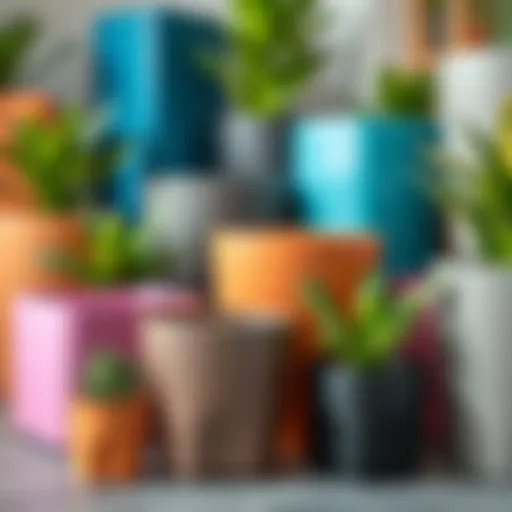
Large colorful outdoor planters do more than just hold plants; they serve as standout pieces that can completely transform a garden or patio. Beyond their decorative intent, they can reflect the personality of a homeowner and enhance the overall aesthetic of varying outdoor spaces. This guide seeks to dive deep into the world of these vibrant additions to your garden, shedding light on how to select the ideal planters, the materials that best suit your needs, and essential maintenance strategies to ensure lasting beauty.
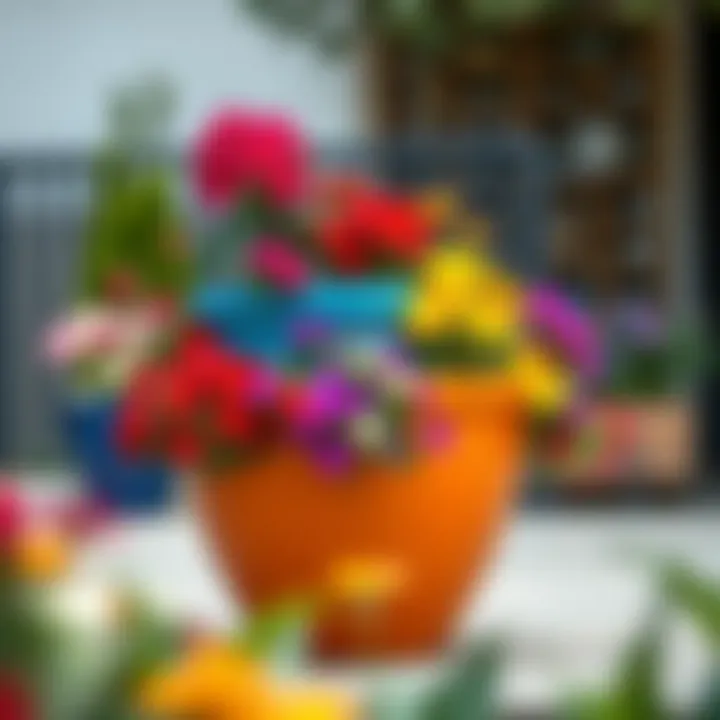
In gardens, big planters can create focal points that catch the eye. Imagine a striking oversized planter bursting with blossoms at the entrance; it beckons visitors in. Alternatively, they can define spaces—pairing them with seating areas to cozy up your backyard. The colors and designs you choose can harmonize with nature or playfully contrast with it, leading to dynamic vibes in your outdoor settings.
This article doesn’t just skim the surface; it provides the nitty-gritty details that both novice plant lovers and seasoned designers need. As we explore materials—from ceramic to metal—and styles, we will also discuss how to maintain the vitality of your plants and the durability of your planters. It’s a comprehensive look at bringing warmth and vivacity to your outdoor realms, tailored for homeowners, designers, and aspiring DIYers.
So, roll up your sleeves as we embark on this colorful journey through the practicalities and delights of large outdoor planters.
Preamble to Outdoor Planters
When it comes to transforming outdoor spaces, large colorful planters can be a real game changer. Not just a pretty face, these planters serve both practical and aesthetic purposes. They allow you to express your creativity in landscaping while also providing a home for a variety of plants that enhance the overall environment. The importance of this topic lies in understanding how these elements not only beautify gardens but also contribute to the atmosphere of a space. Ideal for homeowners, designers, and DIY enthusiasts alike, this section serves as a launching point for a deeper dive into the world of outdoor planters.
Definition and Purpose
Large outdoor planters are containers used to house plants, often made from diverse materials such as wood, metal, or ceramic. Their primary purpose is to offer a structured environment for plants, promoting growth while simultaneously adding visual interest to gardens and patios.
Beyond functionality, the vibrancy and color of the planters can amplify the mood of an area. Picture this: a vibrant red planter filled with bright yellows and greens can bring a sense of warmth and energy. Conversely, a muted gray planter with soft pastels creates a serene, calming feel. Thus, choosing the right planter, in both size and color, can significantly affect how we perceive our outdoor spaces.
Historical Context
The use of outdoor planters can be traced back centuries. Ancient civilizations recognized their importance; from the Hanging Gardens of Babylon to the lush gardens of Renaissance Europe. In many cultures, pots and planters were more than mere containers; they were symbols of status and the beauty that could be achieved through horticulture.
In contemporary times, the use of large planters has expanded beyond traditional gardens to urban landscapes, balconies, and commercial spaces. The aesthetic and utilitarian value of these planters have evolved, becoming a staple in modern garden design. This historical evolution underscores how deeply woven the concept of planters is into our gardening practices, illustrating not just a functional tool, but also a vibrant canvas for artistic expression.
Significance of Color in Outdoor Planters
The vibrancy of colors in outdoor planters does more than please the eye; it plays a pivotal role in the overall aesthetic and emotional connection one has with a garden space. The appropriate use of color can turn a mundane area into a captivating sanctuary, where individuals can escape the hustle and bustle of daily life. Understanding the significance of color isn’t merely an artistic endeavor; it encompasses psychological effects, cultural implications, and practical landscaping strategies that can enhance one's outdoor experience.
Psychological Impact of Color
Color has the extraordinary ability to influence moods and evoke feelings. When it comes to the outdoors, this emotional connection becomes especially crucial. For example, warm colors like reds, oranges, and yellows often bring energy and warmth to a space. They can stimulate activity and create a lively atmosphere, ideal for social gatherings or playful family events. In contrast, cool colors such as blues, greens, and purples tend to evoke calmness and relaxation, making them perfect for tranquil garden retreats.
To illustrate, consider a large blue ceramic planter filled with lavender. This arrangement provides not only a striking visual, but it can also relax those who enter the space — truly a feast for both the eyes and the soul. On a psychological level, incorporating various colors into outdoor planters not only aids in transforming the ambience but can significantly impact one's emotions and mindset.
- Enhancing Mood: Warm colors can energize while cool colors soothe.
- Creating Atmosphere: Color affects how spaces are perceived — vibrant hues invite life; pastel shades can evoke peace.
- Encouraging Interaction: Bright, engaging colors often lead to increased socialization in outdoor settings.
Color Trends in Urban Landscaping
As cities experience a renaissance of green spaces, trends in color usage within urban landscaping continue to evolve. In the hustle of urban life, it’s especially important to make spaces feel inviting and fresh. Contemporary design often sees the embrace of bold, unexpected color choices — think teal planters filled with bright sunflowers against the concrete backdrop of the city.
Recent trends have placed significant emphasis on the use of sustainable and vibrant materials. Many urban planners and designers are now opting for rich colors in their selections, echoing the vibrancy of the city while maintaining an eco-friendly approach. Some popular trends include:
- Monochromatic Schemes: Using various shades of the same color to create a seamless blend that soothes the eye.
- Contrasting Colors: Utilizing oppositional color pairings to make a striking statement, generating excitement within the garden.
- Pastel Palettes: Soft colors are making a comeback, offering a refreshing take on traditional garden aesthetics, but with a modern twist.
- Natural Tones: Earthy shades of terracotta or muted greens bring a sense of balance and grounding to urban environments.
As designers and homeowners navigate the intricacies of urban gardens, lending attention to color not only enhances aesthetics but also beckons functionality and social interaction within these vibrant spaces. Harnessing color's power strategically can aptly reflect the character of urban life while renewing spirits through nature's lens.
Material Choices for Large Outdoor Planters
Choosing the right material for large outdoor planters is essential for both functionality and aesthetic appeal. The material not only influences the longevity of the planter but also impacts the overall look and feel of your outdoor space. Understanding various materials helps homeowners and designers alike to create thoughtful, visually striking arrangements that harmonize with their surroundings. Here’s a closer look at some key material choices and their distinct benefits.
Durability Considerations
Durability is paramount in selecting outdoor planters since they face the elements year-round. From harsh winter weather to intense summer sun, the right material can withstand these challenges while retaining its beauty. For example, materials like metal and concrete are renowned for their strength. Metal can resist rust when properly coated, and concrete holds up well under strain. On the other hand, wood can warp or decay if not treated properly, making it less desirable in high-moisture areas. Opting for durable materials not only extends the life of the planter but can also reduce maintenance needs in the long run.
Sustainability Aspects
With growing awareness of environmental issues, sustainability is becoming a critical factor in the choice of planter materials. Many options exist that minimize environmental impact while still delivering style. For instance, reclaimed wood provides a beautiful, rustic aesthetic and reduces waste by repurposing existing materials. Ceramic can be eco-friendly if made from natural clays, and some plastics are now produced from recycled sources, making them a surprisingly sustainable choice. Consideration of sustainability in planter materials not only reflects personal values but may contribute to healthier ecosystems within outdoor designs.
Popular Materials Explored
Wood
Wood is a classic choice for outdoor planters, bringing a warm, natural feel to any garden. It can be crafted into various shapes and sizes, allowing for creativity in landscape design. The key characteristic of wood is its versatility; it can fit both traditional and modern aesthetics. One unique feature of wood planters is their ability to blend seamlessly into the environment, enhancing the garden's natural beauty. However, wood planters require regular maintenance, such as staining or sealing, to fend off rot and pests, potentially making them less appealing to those preferring low-maintenance options.
Plastic
Plastic planters are lightweight and often less expensive, making them an appealing choice for many. They come in various colors and patterns, offering vibrant options to enhance outdoor decor. A notable benefit of plastic is its resistance to fading and cracking, making it a durable choice for outdoor environments. However, their reliance on fossil fuels for production raises sustainability concerns. It’s essential to seek options that are labeled as recycled or to have a recycling plan in place once the planter's life is over.
Ceramic
Ceramic planters are popular for their unique designs and colors, often featuring intricate finishes. They provide a sophisticated look, making them a favored choice for traditional gardens. A significant advantage of ceramic is its capacity to regulate soil temperature, benefiting the plants inside. However, their weight can be a drawback for some. If you're not careful during the winter months, ceramic can crack if frozen, creating a need for protective measures in colder climates.
Metal
Metal planters stand out with their modern yet industrial appeal. They are incredibly durable and can withstand the rigors of outdoor conditions. A unique feature of metal planters is their ability to retain heat, which can be advantageous during colder months, promoting growth. On the downside, untreated metal may corrode; thus, opting for galvanized or rust-resistant varieties is crucial for longevity.
Concrete
Concrete planters represent robust stability and can be molded into nearly any shape or design. The main allure of concrete is its strength; it can support larger plants or trees without the risk of tipping over. Additionally, concrete provides excellent thermal regulation, helping maintain a more stable environment for roots. The downside? Well, they can be quite heavy, posing challenges during relocation. Furthermore, concrete doesn’t often come in vibrant colors unless painted or sealed, which does limit some aesthetic possibilities.
By considering these materials, individuals can select the right options tailored to their specific needs for both beauty and durability. Knowing the functionality and characteristics of each material enables one to make informed decisions that enhance both the aesthetic appeal and sustainability of their outdoor spaces.
Designing with Large Colorful Outdoor Planters
Designing with large colorful outdoor planters is not merely an act of throwing plants into a decorative container. It’s an art and a science that combines aesthetics with functionality, bringing life and vibrancy to any outdoor space. When done right, these planters serve multiple purposes: they enhance visual appeal, define spaces, and can even be used to subtly guide foot traffic in landscaping. The positions and placements—with colors that pop—can turn an ordinary yard or patio into a lively inviting retreat.
Incorporating Planters into Landscapes
One of the first steps in the design process is to consider how the planters fit organically into the existing landscape. Integration is key. Think about complementing the natural contours of your garden. For instance, if the garden has uneven terrain, placing planters at various levels can create depth. Use large planters with bold colors to break up vast green areas or as contrasts against stone pathways. They can spotlight certain areas, or, conversely, blend in with their surroundings.
When choosing locations, observe the sunlight patterns and wind influences in your outdoor space. Plants like geraniums thrive in direct sunlight, while ferns prefer shade, so picking an appropriate spot is essential for their health. Placing planters near outdoor seating areas can add a welcoming touch, further encouraging engagement with nature.
Creating Focal Points
Every good garden design needs a focal point — an area that draws the eye and can anchor the landscape. Large colorful outdoor planters can serve as striking focal points, especially when they feature unique designs or vibrant hues. For example, a tall, bright orange ceramic planter overflowing with flowering plants can demand attention, making it the centerpiece of a patio or entrance.
Consider mixing heights and shapes: a combination of tall, slender planters alongside shorter, round ones can create visual interest. When designing themed gardens, use planters to evoke specific moods: calming blues and greens for serene areas and fiery reds and yellows for vibrant spaces. Positioning the planters at strategic points can guide guest flow throughout the landscape.
Arranging Height and Proportions
When designing large colorful outdoor planters, the play of heights and proportions is a crucial aspect. It’s like composing a symphony where each plant and planter has a role to play in harmony with one another. A good rule of thumb is to plant taller species at the back of a planter or in the center of an arrangement, with medium plants flanking them, and shorter plants at the front. This gradient creates a layered effect, ensuring that each plant is visible and can be appreciated.
Also, consider the proportions of the planters relative to the space they occupy. Oversized planters bring bold statements in tight spaces but might seem out of place in expansive areas. Conversely, smaller planters might get lost in larger settings. The key is balance – ensuring that each element contributes to the overall design without overbearing others.
"Good design is about making choices that resonate with the environment and its inhabitants."
Ultimately, the design of large colorful outdoor planters is about personal expression—tying a space together while allowing for individual creativity. Embrace the opportunity to experiment, and allow the planters to not just host plants but to tell a story in the landscape.
Plant Selection for Outdoor Planters
Choosing the right plants for outdoor planters is a vital aspect of designing a visually appealing and sustainable garden. The selection not only defines the aesthetics of the space but also influences the health and growth of the plants. Different plants come with varying requirements for sunlight, water, and care, which is essential for homeowners and designers to understand. The right combination of plants can bring harmony and vibrancy to any outdoor area, thereby elevating the overall ambiance.
Factors to Consider
When selecting plants for large outdoor planters, there are several factors to keep in mind:
- Climate and Environment: Understand the local climate and how it affects plant choices. Certain species thrive in specific conditions, so it’s crucial to align plant types with the environment.
- Size of the Planter: The size of the container influences the plant's growth. Larger planters can accommodate bigger plants or a greater number of smaller plants, increasing diversity and visual appeal.
- Sunlight Exposure: Be aware of how much sunlight the planter will receive each day. Full sun plants need different care compared to those that prefer shaded environments.
- Soil and Drainage: Quality soil and proper drainage are paramount for plant health. The type of planter also influences what soil is appropriate.
- Growth Habit and Height: Consider how plants grow in width and height to ensure they complement each other and create a balanced look.
Best Plants for Large Planters
Annuals
Annuals are plants that complete their lifecycle in one growing season, making them a dynamic choice for quick color and impact. They are often favored for their ability to provide a vibrant display throughout the season.
- Key Characteristic: Annuals bloom profusely, offering a range of colors and shapes.
- Benefits: Their fast growth means quick results, allowing for frequent changes in the garden's appearance, which can keep the outdoor space looking fresh every season.
- Drawback: They do require replanting each year, which can add to maintenance time.
Perennials
Unlike annuals, perennials return year after year, often getting more robust with time. They form a solid backbone in many garden designs, blending well with seasonal plantings.
- Key Characteristic: Perennials typically have a longer life cycle and layer in a sense of continuity in the garden.
- Benefits: After the initial planting, they require fewer resources, as they are established. However, choosing the right varieties will ensure an appealing look from various seasons.
- Drawback: They might take a season or more to reach full bloom, so patience is crucial.
Succulents
Succulents have gained popularity due to their unique forms and low water requirements. Their ability to store water makes them incredibly resilient, which can be beneficial in varying climates.
- Key Characteristic: Succulents are often characterized by their fleshy leaves and unusual shapes, creating a striking contrast in plantings.
- Benefits: Their drought tolerance means they require less frequent watering, appealing to those who might be busy or forgetful with regular care
- Drawback: Overwatering can be detrimental, so careful attention to watering is still necessary.
Herbs
Herbs are another excellent option for outdoor planters, offering both beauty and functionality. They provide a pleasant aroma in the garden and can also be used in cooking, making them a popular choice for many gardeners.
- Key Characteristic: Many herbs are multi-functional, serving as both decorative elements and culinary delights.
- Benefits: They're often easy to grow and maintain, making them accessible even to novice gardeners. Plus, fresh herbs from the garden can enhance any dish.
- Drawback: Some herbs may have specific light and water needs, which can make them less forgiving than other plant types.
The selection of plants for outdoor planters greatly determines the visual and functional success of your planting scheme. Choosing wisely helps create an inviting environment that expresses personal taste and elevates outdoor living.
By understanding these critical aspects of plant selection, homeowners and designers can ensure their large outdoor planters are both beautiful and thriving. Considering the interplay of colors, shapes, and environmental factors can dramatically enhance the landscaping experience.
Maintenance of Large Outdoor Planters
Maintaining large outdoor planters is not just a chore; it's a commitment to fostering a vibrant garden space. These planters not only serve as decorative elements but also house living plants that require specific care. Proper maintenance ensures that both the planters and the plants thrive, adding beauty and life to your outdoor areas.
Watering Practices
Watering is the lifeblood of your plants. However, it’s not as straightforward as turning on a hose; it’s an art and a science. Overwatering can lead to root rot, while under-watering can stress the plants.
A few key points to remember:
- Frequency: The watering needs fluctuate with the seasons. During hotter months, you may need to water daily, while in cooler times, twice a week may suffice.
- Deep Watering: Aim for deep watering rather than quick dribbles. Fill the planter until the water drains out from the bottom, ensuring that roots can absorb moisture evenly.
- Morning Routine: Watering in the morning prevents evaporation and gives the plants time to absorb the moisture.
It’s essential to be mindful of the specific needs of the plants in your planters, as some may thrive on less water, and others might need a good soak every now and then.
Soil Health and Fertility
Healthy soil is the foundation for any thriving garden. The soil in large outdoor planters shouldn't just sit in a "here it is, please grow" mentality.
To keep your soil in tip-top shape:
- Nutrient-Rich Mix: Use a high-quality potting mix that has nutrients designed for container plants. These mixes often contain organic matter that not only helps with drainage but also retains moisture.
- Fertilizing: Regular fertilization is a must. Depending on your plants, consider liquid fertilizers every four to six weeks during the growing season, following the manufacturer's recommendations.
- Rotation and Renewal: Every few seasons, consider refreshing the soil entirely. Remove the old soil and replace it with fresh mix to prevent nutrient depletion. This keeps the root environment rich and supportive.
Seasonal Care Requirements
Seasonal changes mean adjusting your maintenance routine. With changes in light, temperature, and rainfall, your planters require specific attention.
Spring
- Start with a thorough check for winter damage. Clean out dead leaves or any debris accumulated.
- Inspect the plant health and trim any dead branches or flowers to promote new growth.
- Fertilize and prepare for the growing season by ensuring there’s enough nutrient in the soil.
Summer
- Keep an eye on moisture levels, as heat can accelerate drying. A mulch layer can help retain moisture.
- Watch for pests. Check the undersides of leaves and apply organic pesticides if necessary.
Fall
- Begin preparing your planters for colder weather. Trim plants back and remove any spent foliage.
- If your plants are not frost-resistant, consider bringing them indoors or wrapping the planters to protect them.
Winter
- Protect planters from severe cold. Consider bringing them inside if they're made from materials that can crack.
- For those left outside, mulch your plants to insulate the soil and protect the roots.
With a bit of foresight and consistent care, maintaining large colorful outdoor planters can transform not just your garden but also your outdoor living experience.
In summary, paying attention to watering practices, soil health, and seasonal care enhances not only plant longevity but the overall aesthetics of your outdoor space.
Trends in Large Colorful Outdoor Planters
The world of outdoor planters is evolving just like the changing seasons, bringing fresh ideas and innovations to the forefront. Trends in large colorful outdoor planters are not merely a reflection of aesthetic preferences, but also of broader societal values and gardening practices. Understanding these trends is crucial for creating engaging and functional outdoor spaces that resonate with modern homeowners, designers, and DIY enthusiasts alike.
Innovative Designs
As we move into a market that increasingly values creativity and personalization, innovative designs in outdoor planters have taken center stage. Gone are the days of plain, dull planters that merely serve a functional purpose. Today, large outdoor planters come in a myriad of shapes, sizes, and colors that can transform an ordinary garden into a captivating visual feast.
- Unique Shapes: You might come across geometric planters, asymmetrical designs, or even artistic sculptures that serve as planters. These not only serve to hold plants but also act as striking art pieces in their own right. Imagine a planter shaped like a giant flower, elegantly cradling a burst of vibrant blooms.
- Vibrant Colors: Bright hues like electric orange, deep teal, and soft pastels are all the rage. These planters can create a stunning contrast against the greens of the plants and the browns of the soil, making them pop in any environment. Living in a world that often feels gray, these colorful options bring joy and liveliness to our outdoor spaces.
- Vertical Gardening: With urban living spaces shrinking, vertical planters have skyrocketed in popularity. These cleverly designed structures let you make use of limited space while still packing in a variety of plants. Frame your doorways or balconies with cascading foliage and colorful flowers that catch every passerby’s eye.
"The right planter can change a garden from ordinary to extraordinary, reshaping how we experience outdoor spaces."
Sustainable Approaches
Sustainability is no longer just a buzzword; it's a vital consideration in every aspect of planning and designing our environments. In the realm of large colorful outdoor planters, sustainable approaches are taking root, showcasing how aesthetics and eco-friendliness can go hand in hand.
- Recycled Materials: Eco-conscious gardeners are increasingly turning to planters made from recycled materials such as reclaimed wood, repurposed plastic, or metal. These choices not only help reduce waste but also bring a rustic charm to any outdoor area.
- Water-Saving Features: Some innovative planters come equipped with self-watering systems or are designed to optimize drainage. This not only conserves water but also ensures that your plants receive the proper hydration without constant supervision.
- Biodegradable Options: A new trend is the creation of biodegradable planters that decompose over time, enriching the soil while supporting plant growth. This approach minimizes the environmental footprint and encourages a cycle of giving back to nature.
Embracing these trends not only elevates the visual appeal of outdoor spaces but also promotes responsible gardening practices. Thus, selecting large colorful outdoor planters aligns not only with aesthetic desires but also with a deeper commitment to environmental stewardship.
Budgeting for Large Outdoor Planters
Budgeting for large outdoor planters is a critical aspect that determines the overall impact on your landscaping project. It involves making informed decisions that account not only for the cost of the planters themselves but also additional expenses related to their placement, plants, and ongoing maintenance. A well-thought-out budget helps in maximizing your investment while ensuring that the planters enhance the beauty of your outdoor space.
When homeowners, designers, or DIY enthusiasts dive into the world of large colorful planters, it's easy to overlook the finer details of budgeting. However, being mindful of financial implications can lead to better choices and ultimately a more satisfying outcome. Here are some key considerations:
- Initial Costs: The initial purchase price is just the tip of the iceberg. Prices vary widely based on the material and size of the planters. Investing in high-quality materials like ceramic or metal might be higher initially, yet can save money in the long run through durability.
- Cost of Plants: Choosing the right plants to complement your planters can substantially affect your budget. Annuals might seem appealing due to their lower cost, but perennials often provide better value over time, as they return year after year.
- Installation Expenses: Depending on the size and weight of the planters, you might need to factor in delivery and installation costs, particularly if they are substantial enough to require professional handling.
By taking these considerations into account, you can develop a more realistic budget that aligns with your vision while avoiding unexpected costs.
Understanding Costs
The costs associated with large outdoor planters can be categorized broadly to help in understanding and estimating financial requirements:
- Planter Costs: These can range from budget-friendly options like resin planters to more luxurious choices such as handcrafted ceramic ones. Decide what fits best with your style and affordability.
- Plant Costs: Factor in the cost of soil, fertilizer, and any additional organic amendments needed to create a suitable growing environment for your chosen plants.
- Maintenance Budget: Some planters may require special care, which can come with its own costs, such as irrigation systems or special potting mixes. Budgeting for maintenance ensures your planters remain vibrant and healthy.
Value for Money
Assessing value for money is equally important in ensuring that your investment pays off.
- Longevity vs. Short-Term Appeal: Choose planters that are built to last. A slightly higher initial investment in quality materials often pays off with fewer replacements and repairs.
- Aesthetic Returns: Beautifully arranged planters can boost the visual appeal of your home and garden, potentially increasing property value—something that can't be overlooked when considering ROI.
- Sustainability: Investing in sustainable materials and plants not only helps in the shorter term but also benefits the environment and can contribute to a healthy ecosystem in your garden.
"In landscaping, as in life, you often get what you pay for—balancing cost with quality leads to greater satisfaction."
Taking the time to focus on budgeting for large outdoor planters sets the foundation for success. It ensures that your outdoor space is both stunning and manageable, allowing your investment to bloom, quite literally.
Epilogue
Wrapping up our exploration of large colorful outdoor planters, it becomes clear that these elements hold much more than just a decorative function in garden design. Their integration into outdoor spaces enhances aesthetic appeal, bringing life and vibrancy to otherwise mundane areas. Moreover, understanding the nuances of selecting appropriate materials, thoughtful design strategies, and effective maintenance practices can significantly impact the longevity and attractiveness of these planters.
Summary of Key Points
Throughout this article, we highlighted key elements essential for homeowners and designers alike:
- Definition and Significance: Large outdoor planters are pivotal in shaping outdoor environments, playing a crucial role in both utility and style.
- Color Psychology: The colors of planters can influence mood and perception, making it important to choose hues that complement the surrounding landscape.
- Material Durability and Sustainability: Opting for sustainable materials not only benefits the environment but also ensures that planters withstand the elements over time.
- Design Integration: Properly incorporating large planters into landscapes elevates the visual hierarchy and can create stunning focal points in any garden.
- Plant Selection: Understanding the best plant types for these structures enhances their functionality, offering seasonal blooms and varied textures that can delight the senses.
- Maintenance Practices: Simple yet effective care, like watering and soil management, prolongs the life of the plants and the planters themselves.
- Budgeting Considerations: A clear grasp of costs and the value proposition aids in making informed purchasing decisions that align with personal or commercial projects.
Final Thoughts on Outdoor Planters
As we conclude, it's evident that large colorful outdoor planters are not just mere vessels for plants; they are transformative components of landscape design. Their proper selection and placement can breathe creativity into outdoor spaces, making them both functional and visually appealing. Whether you’re a homeowner aiming to beautify your yard, a designer working on public installations, or a DIY enthusiast playing with color and form, embracing the myriad possibilities offered by these planters can truly change the narrative of your outdoor environment.
Ultimately, investing in quality planters reflects a commitment to beauty and ecology, contributing to a more inviting world outside our homes. To dive deeper into the world of planters, you can explore resources like Wikipedia, or check gardening forums on Reddit for community insights.
"Good design is obvious. Great design is transparent." – Joe Sparano
With this look at outdoor planters, remember that each planter holds the potential for endless creativity and expression, encouraging you to explore and express your personal flair in your garden design.