Beautiful Garden Pots: Enhance Your Outdoor Space
Intro
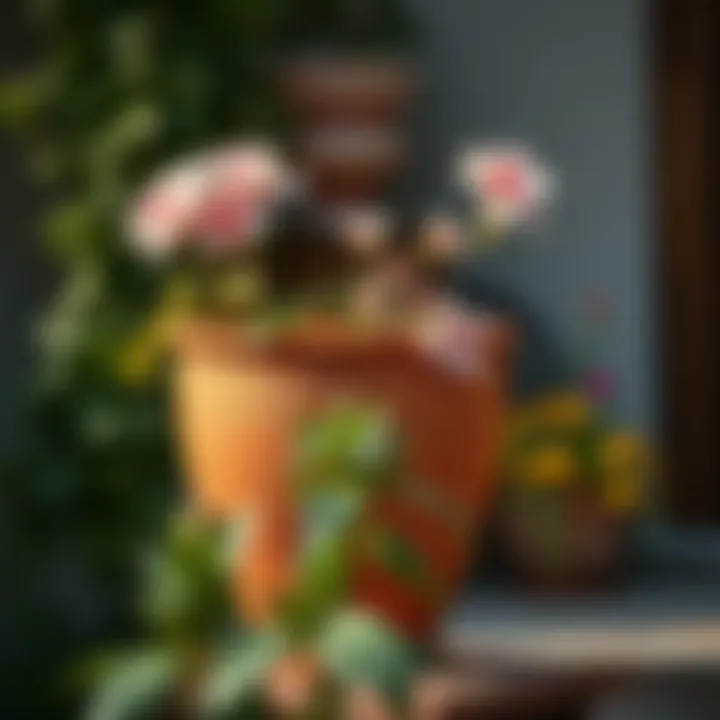
When creating an outdoor garden, one of the first things that spring to mind is the role of garden pots. These vessels are not just mere containers; they embody the essence of your personal style while providing a home for plants to thrive. It’s fascinating how a thoughtful selection of garden pots can imbue your outdoor space with beauty and character, transforming an otherwise mundane area into a haven or focal point.
This article dives into this vibrant world, unraveling the significance of garden pots beyond their utilitarian function. We will explore diverse styles, materials, and how you can make the best choice when integrating them into your garden layout. Whether you’re a homeowner looking to add visual appeal, a designer aiming for cohesive aesthetics, or a DIY enthusiast ready to get your hands dirty, this guide has something for everyone.
Let’s take a closer look at how pots can elevate your garden experience while ensuring we don't overlook their maintenance, all in a quest to beautify every corner of your outdoor sanctuary.
Furniture Styles
Popular Design Aesthetics
The style of your garden pots can set the tone for the entire outdoor environment. This is why understanding popular design aesthetics can guide you toward making choices that resonate with your overall style preferences.
- Modern Minimalist: Clean lines and simple shapes define this style. Think of sleek concrete pots or understated black ceramic ones. The beauty lies in their simplicity, ensuring the plants are the main showstoppers.
- Rustic Charm: If you fancy a cozy, country feel, rustic pots made of natural materials, such as terracotta or reclaimed wood, may speak to you. Their textured surfaces can add warmth and an inviting quality to your garden space.
- Bohemian Vibe: Embrace eclecticism with bold colors and intricate designs. Look for vibrant ceramic pots or patterned textiles wrapped around more traditional containers to channel that laid-back, carefree energy.
- Traditional Elegance: Classic shapes like urns and pedestal pots in stone or glazed finishes can evoke a sense of timeless beauty, perfect for gardens aiming for a stately presence.
How to Choose the Right Style for Your Space
Selecting the right style isn’t merely about personal preferences; it also hinges on the specific character of your garden. Here are some pointers to get you started:
- Assess Your Existing Elements: Take a good look at your garden’s architecture and existing decor. If you have modern furniture, modern pots may feel at home. Conversely, if your space leans towards vintage, you might find that traditional pots fit better.
- Consider Plant Type: The plants you choose can also dictate the style of the pots. Succulents, for examples, thrive in shallow styles, while larger plants may need deeper, more robust containers.
- Think About Location: Location matters. Pots placed in shaded areas could benefit from light-colored or reflective finishes, while those basking in the sun may need to be heat-resistant materials.
- Color Palette: Make sure the pots’ color aligns with your garden’s color scheme. Striving for harmonious blends can help all elements to work together into a picturesque composition.
“The right garden pot does not merely hold a plant; it enhances the overall story of the garden itself.”
As you step into exploring the various options, it is crucial to remember that pots work as an extension of outdoor aesthetics. Choosing complementary styles and materials can elevate the visual appeal of any garden layout.
Material Matters
Understanding Different Furniture Materials
The material of your garden pots plays a vital role not only in aesthetics but also in functionality and durability. Different materials present unique advantages and challenges:
- Ceramic: These pots often come with a glazed finish and are colorful, adding a vibrant touch to the garden. However, they can be heavy and prone to cracking in frost.
- Plastic: Lightweight and often inexpensive, plastic pots are versatile and available in various styles. On the downside, they may fade over time under intense sunlight.
- Terracotta: Traditional and porous, terracotta pots allow for airflow to plant roots. While they are charming, they can dry out quickly, requiring frequent watering.
- Concrete: Highly durable, concrete pots lend a modern look and are perfect for larger plants. However, they can be quite heavy and may absorb heat, affecting the plant's moisture levels.
Eco-Friendly Material Options
For many, the environmental impact of garden materials is paramount. Here are a few earth-friendly options worth considering:
- Recycled Plastic: Pots made from recycled materials help minimize waste while providing solid support for your plants.
- Biodegradable Options: Certain pots are designed to decompose over time, enriching the soil as they do so. Look for seed-starting pots that fit this criteria.
- Natural Fibers: Materials like coir (coconut husk) or bamboo are sustainable options that not only provide a unique aesthetic but are also kinder to the planet.
Choosing the right material can create not only a visually appealing garden space but also address sustainability concerns, ensuring your gardening endeavors leave a positive impact.
In summary, garden pots play a pivotal role in enhancing outdoor spaces. By exploring styles and materials thoughtfully, you can create a coherent garden layout that resonates with your individual taste while supporting the health and growth of your plants. For more information and tips, visit sources like Wikipedia or Britannica for additional insights into gardening aesthetics and practices.
Preamble to Garden Pots
When it comes to shaping a garden, garden pots often become the unsung heroes of design and functionality. These versatile containers offer homeowners, designers, and DIYers a unique opportunity to enhance both aesthetics and the practical use of outdoor spaces. They serve as vessels nurturing plants, while also providing a way to creatively express personal style and design theory.
Garden pots aren't merely utilitarian; they are a central element in the garden's visual language. Imagine stepping into an outdoor haven filled with vibrant blooms, climbing vines, and lush foliage, all framed by exquisite pots that complement the overall landscape. The right pot can transform a mundane space into a masterpiece. The importance of selecting the right garden pot lies not just in its size or color, but in its ability to harmonize with the surrounding elements.
Benefits of Garden Pots
- Flexibility in Design: With various materials, shapes, and sizes available, it becomes easier to tailor your garden layout according to the landscape's dimensions and personal flair.
- Mobility: One significant advantage of garden pots is their mobility. Unlike in-ground plants, pots can be easily relocated to achieve greater sun exposure or better aesthetics. This mobility allows for innovative design iterations.
- Soil Management: Using pots lets gardeners control soil composition and drainage, ensuring plants thrive under optimal conditions. This is especially important in urban settings where soil may be depleted or contaminated.
- Seasonal Adaptation: Garden pots enable seasonal displays and arrangements. From summer blooms to winter decor, pots can be switched out to reflect the season’s spirit.
Considerations about Garden Pots
Selecting the perfect garden pot isn't a one-size-fits-all situation; it involves several key considerations:
- Size and Scale: Choosing a pot that matches your plant's size and growth expectations is crucial. A small pot can stunt growth, while a pot that's too large may lead to overwatering issues.
- Material Matters: The material of your pot dictates not only its aesthetic but also practical factors like drainage, insulation, and nutrient retention. From ceramic and terracotta to metal and plastic, understanding each option will guide wise choices.
- Aesthetic Value: Your garden's style should shine through in the pot selection. Does your outdoor space lean toward rustic charm or sleek modernity? The pots you choose should echo and amplify this style.
In summary, garden pots encapsulate a world of possibilities for both beauty and function in outdoor spaces. They allow effective plant growth, provide visual structure, and invite personal expression into our gardens. This exploration of garden pots promises to unveil not just options but insights into elevating every garden to new heights.
Importance of Garden Pots in Landscaping
Garden pots do more than simply hold plants; they serve as integral components in landscaping, significantly enhancing the visual appeal and functionality of outdoor spaces. Understanding the importance of garden pots in landscaping helps one realize that selecting the right pot can elevate a garden’s ambiance tremendously. The aesthetic value and practical benefits of garden pots influence both novice gardeners and seasoned landscape designers in creating harmonious outdoor settings.
Aesthetic Value
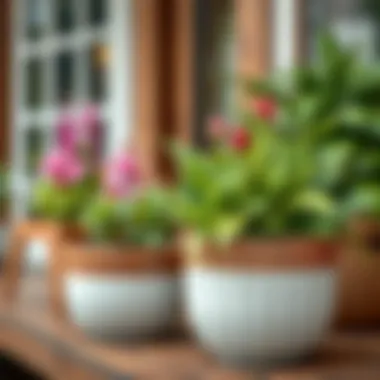
The aesthetic value of garden pots is undeniable. These containers come in a plethora of designs, colors, and shapes, offering something for every style preference. For instance, a sleek black ceramic pot can add a touch of modernity to a minimalist garden, whereas a vibrant red terracotta pot can create a cheerful focal point amid greenery. Each pot can reflect personal style, whether it's rustic, elegant, or avant-garde.
Furthermore, garden pots allow for artistic expression and creativity. Homeowners can mix and match various pot styles to create visually appealing groupings. Arranging pots of differing heights and textures brings depth to the landscape. A cluster of tall metal pots alongside smaller wooden ones introduces an intriguing height dynamic. As the seasons change, so too can the pots. Swapping out them for seasonal flowers or foliage keeps your outdoor space fresh and engaging.
In essence, the right garden pots can transform everyday landscapes into artistic masterpieces, drawing attention and admiration from visitors.
Functional Aspects
While the aesthetic aspect is compelling, garden pots offer significant functional advantages that are particularly important in landscaping projects. Properly chosen pots can help with space optimization, especially in smaller gardens or urban settings where land is limited. They can be utilized to define areas, act as barriers, or even serve as vertical gardens, providing a mix of beauty and utility.
Moreover, pots can greatly influence plant health. Choosing pots with good drainage ensures plants don’t drown, contributing to their overall vitality. For instance, ceramic pots are great for moisture retention while plastic pots allow for easier mobility in rearranging plant arrangements. The weight and durability of metal pots make them suitable for windier areas, ensuring the stability of the plants within.
Using pots also allows for improved soil control, providing a better environment for growing specific plants. For example, specific potting mixes can be used to cater to unique plant needs, like succulents thriving in sandy soils or herbs in rich, organic blends.
"Garden pots are not just static objects; they are dynamic elements that imbue spaces with life and purpose."
Types of Garden Pots
When diving into the world of garden pots, one can’t overlook the sheer variety available. Each type brings its unique flavor, enhancing both aesthetics and functionality in landscaping. Understanding the differences among these pots is crucial for any homeowner, designer, or DIY enthusiast eager to spruce up their outdoor spaces.
Ceramic Pots
Features and Benefits
Ceramic pots are often celebrated for their beautiful aesthetics. Unlike many other materials, ceramic pots come in a myriad of colors and patterns that easily transport a garden's feel into any space it occupies. Their glazed surfaces also provide a shiny finish, reflecting light and adding a certain vibrancy to plants set within them. Not only do these pots look good, but they also provide excellent insulation against extreme temperatures, helping maintain the health of roots. However, they can be quite heavy and may not be the best choice for those who frequently move their plants around.
Design Variations
One of the most striking characteristics of ceramic pots is their design variety. From classic terracotta looks to bright, contemporary glazing, the options are nearly endless. This adaptability makes them suitable for various themes—from rustic garden styles to modern patio arrangements. The downside? Some of these decorative glazes might chip or fade over time when exposed to harsh weather conditions.
Plastic Pots
Lightweight Convenience
Plastic pots are like the unsung heroes of gardening. Their lightweight nature means that even the heaviest plants can be shifted with relative ease. They're especially handy for gardeners who like to swap their pots seasonally or rearrange styles now and then. In addition, they are often more affordable than their counterparts, making gardening accessible to more people. On the flip side, their longevity can sometimes leave much to be desired; UV rays can weaken them, leading to cracks over time.
Color Variety
With a rainbow of options, plastic pots easily accommodate the creative flair many gardeners seek. You can mix and match colors to create interesting patterns or stick with monochrome themes to enhance sophisticated outdoor designs. This versatility can accentuate specific seasonal themes or even contribute to mood-setting. However, they might lack that organic touch found in materials like wood or stone, leaving some gardeners feeling it's a little bit less authentic.
Metal Pots
Durability
Metal pots are not just sturdy; they’re built to withstand the test of time. Made from materials like aluminum, steel, or galvanized iron, they are resistant to chipping and cracking unlike many ceramic or plastic options. Their robust nature means they can stand strong against harsh weather, making them a good investment for garden enthusiasts. However, employing metal pots may require careful consideration of drainage, as they can retain heat and could potentially get too warm for certain plants.
Rustic Appeal
There’s something undeniably charming about metal pots, especially those with a rustic appeal. They complement natural landscapes effortlessly and can add a touch of industrial chic. The several patinas and finishes available also mean they can be easily integrated into various aesthetic styles. Still, untreated metal may rust over time, which can affect long-term use if proper care isn’t taken.
Wooden Pots
Natural Look
Wooden pots boast a natural look that many gardeners find inviting. The texture and color of wood blend seamlessly with nature, promoting organic designs and harmony in outdoor settings. Ideal for growing herbs or small flowers, they also work wonders for aligning with a rustic or country garden theme. However, one must be cautious regarding moisture; untreated wood can rot if it’s constantly exposed to wet conditions.
Eco-Friendliness
In a world growing more environmentally conscious, wooden pots often shine in this department. Generally made from sustainable sources, they provide an environmentally friendly gardening alternative. Their ability to biodegrade gives them a lower ecological footprint compared to plastic pots. Still, this eco-friendliness is contingent on proper maintenance; people should ensure they use treated woods that can mitigate natural decay and prolong its life in your garden.
Terracotta Pots
Traditional Elegance
Terracotta pots encapsulate traditional elegance with their classic terracotta hue and earthy texture. These pots have been used by gardeners for centuries, and their timeless look fits seamlessly in both contemporary and classical settings. Not only does their attractiveness draw attention, but they are also fairly porous, allowing for good drainage. However, they can crack in colder conditions, requiring caution in climates that experience severe winters.
Breathability
One of terracotta's standout features is their breathability. Unlike plastic pots, terracotta allows moisture to escape from the sides, creating a more stable environment for plant roots. This level of aeration promotes healthier root growth and prevents root rot caused by overly damp soil. Yet, one must be attentive to watering, as they can dry out faster than some alternatives, leading to frequent checks during hot weather.
Design Considerations for Choosing Garden Pots
Choosing the right garden pots isn't just a matter of picking something that looks nice. Design considerations are essential for ensuring that pots not only enhance the beauty of a space but also support the health of the plants they hold. Each element of design, from size and color to style, plays a crucial role in creating a harmonious outdoor environment. Making informed choices about these aspects can greatly elevate the aesthetic experience and overall functionality of a garden space.
Size and Scale
Proportion to Plants
When selecting pots, the proportion to plants is key. This aspect emphasizes the importance of matching the size of the pot to the dimensions and growth habits of the plants you are working with. A small cactus will look lost in an oversized pot, while a towering sunflower may appear stunted in a tiny container. A good rule of thumb is to aim for a pot that's roughly one-third the height of the plant. This helps the eye to draw focus, creating visual balance.
The advantage of paying attention to proportion is that it enhances the natural beauty of the plant. An appropriately sized pot gives roots room to grow while maintaining the overall aesthetic appeal. Conversely, using mismatched sizes can lead to a disjointed appearance, diminishing the charm of your outdoor space. Thus, careful consideration of proportion is a fundamental aspect to keep in mind.
Space Constraints
Space constraints are another practical element to consider when choosing garden pots. Whether you are working with a small balcony or a sprawling yard, the amount of available space can dictate the kinds of pots you can use effectively. Narrow passages might benefit from slimmer pots, while an expansive yard allows for bolder, more substantial selections.
Understanding the limitations of your space can help you create an inviting garden layout without cluttering the area. Taking advantage of vertical gardening techniques, like using tall pots, can maximize your planting options without taking up much ground area. Properly addressing space constraints allows the beauty of garden pots to shine without overwhelming the scene they are part of.
Color Coordination
Contrast vs. Harmony
Color coordination makes a significant impact on the overall aesthetics of a garden. Contrast vs. harmony centers on how different pot colors interact with the plants and surroundings. For instance, a bright red pot can provide a bold pop against green foliage, attracting the eye and creating focal points. On the other hand, soft neutrals can create a more serene and cohesive feeling in a garden environment.
Using contrasting colors can emphasize the characteristics of both the plants and pots, whereas a harmonious color palette creates a calm and unified aesthetic. The decision depends ultimately on desired atmosphere and the message that the space conveys. Just be mindful that an overabundance of clashing colors can lead to visual chaos, which might not be pleasing to everyone.
Seasonal Themes
Adapting garden pot colors to seasonal themes can be an exciting way to keep your outdoor space feeling fresh and aligned with nature. As seasons shift, different colors can reflect the essence of each, such as warm oranges and golds in autumn or icy blues in winter. This rotation of colors can keep the garden vibrant and engaging all year round.
The unique feature of seasonal themes is their ability to create a narrative in your garden. For instance, utilizing autumnal colors can highlight the rich harvest while white pots with winter decorations may evoke a snowy charm. However, a downside could be the need for more frequent pot upkeep if you're changing themes often.
Style Harmony
Modern vs. Traditional
When it comes to style, a choice between modern vs. traditional pots can have a profound effect on the overall garden design. Modern pots often feature sleek lines, minimalistic designs, and a variety of materials such as metals or plastics, which lend to a contemporary aesthetic. Traditional pots, on the other hand, may incorporate detailed designs or classic materials like clay and stone, giving a more timeless feel to your garden.
Choosing between these styles reflects your personal taste and the kind of vibe you want to create. Modern pots can achieve a sophisticated flair, whereas traditional pots may resonate deeply with an organic, rustic charm. Balancing these styles throughout your garden can also be a way to create distinguishing sections, demonstrating that both aesthetics can coexist.
Personal Preferences
Finally, personal preferences cannot be overlooked when selecting garden pots. Each gardener has distinct tastes and functional needs based on their lifestyle, plant choices, and design aesthetics. Whether a gardener leans toward vibrant colors or prefers subtle tones, these choices will reflect their personality and desires.
Understanding one’s preferences can help in choosing not just visually pleasing pots, but also those that resonate on an emotional level, making gardening a more enjoyable experience. It's important to recognize that what appeals to one person may not resonate with another. Therefore, allow personal choices to guide the selection, paving the way for a truly customized and unique garden space.
Maintenance of Garden Pots
Maintaining garden pots is absolutely crucial if you want to keep your outdoor aesthetics as vibrant and lively as possible. A well-maintained pot not only enhances the overall look of your garden but also contributes to the health of your plants. Ignoring this aspect can lead to numerous issues, such as root rot, pest infestations, and impaired growth. Ensuring that pots are taken care of can prolong their lifespan significantly while providing a healthy environment for your plants to flourish.
Cleaning Techniques
Cleaning techniques for garden pots can vary based on the material they are made from. Here's a look at some practical approaches:
- Ceramic and Terracotta Pots: These pots may accumulate dirt and algae over time. Use a soft brush and warm soapy water to scrub the surfaces. For tough stains, a mixture of vinegar and baking soda can work wonders—just apply it, leave it for a few minutes, and rinse it off.
- Plastic Pots: They are generally easier to clean. A simple solution of soap and water is often sufficient. If they have stubborn stains or buildup, using a diluted bleach solution can help, followed by a thorough rinse to remove any bleach residue.
- Metal Pots: Regularly check metal pots for rust. Clean them with a solution of vinegar and water, as it can effectively cut through rust. After cleaning, ensure they are dried completely to prevent rust from setting in.
"A little bit of maintenance goes a long way in preserving beauty and functionality. Ultimately, a clean pot speaks volumes about the care extended towards the plants housed within it."
Seasonal Preparation
Each season calls for specific maintenance tasks to ensure garden pots remain in top condition. Seasonal preparation ensures your pots are ready to face the weather challenges ahead:
- Spring: Clean your pots thoroughly to prepare them for new plants. This is the optimal time to examine the drainage holes, making sure they are free from debris. Apply a fresh layer of potting soil and consider adding slow-release fertilizer for robust plant growth.
- Summer: In the heat of summer, it’s essential to frequently check moisture levels. Pots, especially those made from porous materials like terracotta, can dry out faster. Regular monitoring and watering can keep plants healthy.
- Autumn: As the temperature begins to drop, it's time to transition. Consider relocating pots to more protected or sunlit areas, depending on the plants within. Remove dead foliage and any plant debris.
- Winter: If you live in a region with freezing temperatures, it’s important to either bring pots indoors or insulate them. This protects the roots from frost damage. If you decide to store them outdoors, clean them well to prevent mold growth during the cold months.
By integrating these cleaning methods and seasonal preparations into your routine, you can preserve the beauty and functionality of your garden pots for years. Proper maintenance not only enhances aesthetics but matches the effort you put into your outdoor space.
Incorporating Garden Pots into Outdoor Design
When it comes to enhancing outdoor spaces, garden pots hold a significant place in landscape design. They are not just mere vessels for plants; they serve multifaceted roles in shaping the aesthetic and functional appeal of garden settings. Utilizing garden pots allows for creativity and individuality, offering homeowners a unique way to express their personal style while also providing advantages such as mobility and versatility. One key consideration in incorporating pots into outdoor design is how they interact with the surrounding environment. This section will delve into the various elements and benefits that directly relate to successfully integrating garden pots in outdoor settings.
Arrangements and Grouping
Arranging garden pots might seem straightforward, yet it can drastically alter the visual dynamics of a space. Thoughtful grouping can create a more cohesive design, aiming at emphasizing certain features and drawing attention to the plants within the containers.
Layering Heights
Layering heights involves positioning pots of varying sizes in a way that creates visual depth. For instance, placing taller pots towards the back and shorter ones in the forefront leads the eye upward, enhancing the perceived size of the garden. This technique is a cornerstone in container gardening and is particularly effective for small outdoor areas where maximizing surface area is essential. The great benefit of this approach is that it can add drama and intrigue to a garden, inviting exploration. However, one must be cautious with balance; pots that are too tall can overshadow smaller varieties, potentially diminishing their charm.
Varied Textures
Texture is another critical aspect in the arrangement of garden pots. Utilizing pots made from different materials, such as rustic terracotta alongside sleek ceramic, introduces a rich sensory experience. This variety not only enhances the visual appeal but also allows the plants to shine in distinct ways. For instance, a glossy ceramic pot can contrast beautifully against the roughness of wooden textures, adding layers to the garden’s aesthetic. Nevertheless, one must ensure that the mix aligns with overall design themes; otherwise, it may feel chaotic rather than harmonized, losing its intended impact.
Theme Development
Selecting a theme for garden pot arrangements can further solidify the design intent, making outdoor spaces feel more intentional and curated. Themes can range from nature-inspired to modern minimalism, each offering a different vibe that resonates with the homeowner’s preferences.
Tropical Environments
A tropical theme invokes lush, vibrant colors and an array of foliage. Incorporating larger pots with tropical plants, such as hibiscus or ferns, instantly transports viewers to a sun-soaked destination. This theme leverages the visual weight of bigger pots filled with verdant plants, creating a sense of abundance and serenity. However, maintaining the lush appearance often requires attention to watering, as tropical plants typically need a lot of moisture. Careful consideration of drainage and the right pot material becomes crucial in this scenario.
Minimalist Approaches
In contrast, a minimalist approach focuses on simplicity and subtle elegance. Using a limited palette and fewer pots creates an atmosphere of calm and clarity. Essentially, less is more here; clean lines in pot design combined with the strategic use of negative space emphasize the beauty of each individual pot and its contents. This choice allows for easier maintenance and can be more cost-effective. However, it may also present a challenge in preventing the space from looking barren, requiring a careful selection of plants that complement the minimalist ethos.
In summary, incorporating garden pots into outdoor design is an art that combines strategic arrangements, height layering, textural diversity, and thematic coherence. Each element plays a vital role in crafting an inviting outdoor atmosphere that not only showcases the beauty of plants but also reflects personal style—a key aspect for homeowners aiming to create enchanting and harmonious outdoor living spaces.
Trends in Garden Pot Designs
The world of garden pots is evolving, reflecting broader trends in sustainability and technology. Homeowners and designers alike are increasingly recognizing the significance of pot design. Beautiful garden pots not only serve their traditional roles but also enhance the visual appeal of outdoor spaces. As such, staying updated on current trends in garden pot designs can be an asset in choosing the perfect pot for any setting.
Eco-Friendly Options
Creating a sustainable environment is on the radar of many. This drive towards eco-friendliness has led to a surge in sustainable materials being used for garden pots. Whether it’s bamboo, reclaimed wood, or even recycled plastics, these materials have their unique selling points. For instance, pots made from bamboo are not only lightweight but also biodegradable. Using such materials supports the environment by reducing waste and fostering a natural aesthetic.
- Benefits of Sustainable Materials:
- Reduces environmental impact.
- Often made from renewable resources.
- Provides unique textures and designs that can stand out in a garden.
However, the durability may sometimes fall short compared to traditional materials like ceramic or metal. Making an informed choice requires weighing aesthetic desires against functional needs.
Recycling Practices
In tandem with using sustainable materials, recycling practices play a vital part in garden design trends. Many pots on the market today are crafted from recycled materials, such as old tires or plastic bottles. This repurposing gives a second life to materials that would otherwise clutter landfills.
- Advantages of Recycling Practices:
- Reduces the demand for new raw materials.
- Can lower the costs of manufacturing garden pots.
- Supports a greener economy.
On the flip side, some recycled materials may not hold up against the elements, particularly extreme weather. They often require thoughtful placement and care to prolong their life.
Smart Gardening Pots
Smart gardening pots are yet another notable trend gaining traction. These pots are designed with features that make gardening more manageable for enthusiasts and those who may not have a green thumb. Using technology can elevate the garden experience significantly.
Self-Watering Features
Self-watering pots are particularly appealing for gardeners who might not have time for daily plant care. By utilizing a reservoir system, these pots allow plants to absorb water as they need it, reducing the risk of over or under-watering.
- Benefits of Self-Watering Features:
- Saves time, ideal for busy lifestyles.
- Supports plant health by providing consistent moisture.
- Can be a great fit for indoor settings where daily checks aren’t feasible.
Nevertheless, this technology can sometimes come with a higher price tag, leading consumers to assess their budgeting before incorporating them into their gardening routines.
Technology Integration
Integrating technology into garden pots extends beyond just self-watering. Some modern pots can sync with smartphone apps to remind users when to water or fertilize. This level of integration is not just gimmicky; it's designed to provide real assistance, especially for novice gardeners.
- Key Advantages of Technology Integration:
- Enhances ease of gardening by providing timely notifications.
- Offers data tracking to look after plant health.
- Encourages engagement with the gardening process.
Of course, reliance on gadgets may draw one away from the hands-on experience of gardening, and they might deter purists who prefer traditional gardening methods.
Keeping abreast of trends in garden pot designs is key to making informed choices that enhance the landscape while echoing personal values and lifestyle preferences. Whether through environmentally-friendly options or smart technology, these pots are more than mere containers; they are a reflection of contemporary gardening practices.
Finale
Reflecting on the multifaceted nature of garden pots, it's evident that they are not merely decorative items but integral components of any outdoor design. The journey through the various types and styles of pots reveals that they cater to both aesthetic enjoyment and practical gardening needs. By choosing the right pots, homeowners, designers, DIYers, and even students can significantly influence the visual narrative of their gardens.
One of the vital aspects highlighted in this article is how garden pots enable the customization of outdoor spaces. With options ranging from ceramic to terracotta, these vessels can accentuate personal tastes while enhancing the greenery around them. For instance, a rustic wooden pot can imbue a space with a natural ambiance, whereas sleek metal pots might offer a contemporary feel.
Beyond design, the functionality that garden pots provide is paramount. They not only serve as homes for plants but also support healthy growth by ensuring proper drainage and aeration. This is crucial for those who aspire to cultivate thriving gardens. Furthermore, self-watering features seen in some smart pots take the worry out of plant care, making urban gardening more accessible than ever before.
Moreover, the ongoing trends towards eco-friendly gardening solutions can't be overlooked. By utilizing sustainable materials and incorporating recycling practices, gardeners are encouraged to make choices that resonate with both environmental consciousness and personal aesthetics.
You might find it beneficial to consider:
- Scale: Choosing pots that complement the size of your plants and the overall layout of your garden.
- Color Coordination: Ensuring that pot colors either contrast or harmonize with surrounding flora.
- Maintenance: Regularly cleaning and preparing pots seasonally enhances their lifespan and keeps your garden looking sharp.
In summation, garden pots play a pivotal role in bridging beauty and functionality within outdoor spaces. This article sheds light on essential tips and the significance of selecting the right pots while navigating the current trends. Striking the right balance between aesthetics and utility can transform any garden into a lush haven, enriching the outdoor experience for all who step into that space.
"Investing in the right garden pots can yield not only a vibrant outdoor aesthetic but also healthier plant life, balancing beauty and function seamlessly."
For more deeper insights into garden design, you might check out resources like Wikipedia or Britannica. Gathering knowledge and inspiration from various sources can certainly elevate your gardening experience to greater heights.