Exploring the Aesthetic and Functional Roles of Red Book Shelves
Intro
In the realm of interior design, the choices we make can greatly influence the ambiance of our living spaces. Among these choices stands the red book shelf—a piece that marries both aesthetic appeal and functional utility. The striking color of red can energize a room and provoke various emotional responses, making these pieces far more than mere storage units. They serve as statements, anchoring a space while holding our cherished tomes.
As the article unfolds, we aim to explore the many layers associated with red book shelves. We'll navigate through styles commonly found in modern homes, delve into the material contrasts between rugged wood and sleek metal, and uncover the impact of arrangement techniques. Ultimately, our goal is to illuminate how these book shelves can be integrated into your home, offering both rich visual interest and practical solutions for organization.
Furniture Styles
Popular Design Aesthetics
When it comes to selecting a style for red book shelves, there are several design aesthetics worth considering. Each style carries its own flair, facilitating varied expressions of personality and taste in a living space. Below are some popular styles that work seamlessly with red book shelves:
- Modern Minimalism: A less-is-more approach where the red shelf serves as a bold pop against neutral backgrounds. Clean lines and simple forms are key.
- Bohemian: A whimsical perspective that embraces creativity and layering. Here, red shelves can hold eclectic items, offering a playful contrast against patterned textiles.
- Industrial: Marrying raw materials with refined touches, in an industrial style, red shelves can add a punch of color to otherwise gritty settings. This can be achieved with metallic frames and distressed wood finishes.
- Scandinavian: Popular for its simplicity and functionality, red book shelves can enhance the warmth of Scandinavian design. Pairing them with soft pastels and natural wood can create a balanced and inviting space.
How to Choose the Right Style for Your Space
Choosing the right style for a red book shelf can sometimes feel like finding a needle in a haystack, but a few guiding factors can ease the process:
- Consider the Overall Design Theme: Look around your space. If your home leans towards vintage, a rustic red shelf would fit nicely. For contemporary settings, seek out modern designs.
- Assess the Available Space: The shelf’s scale should be proportional to the room. A towering red bookshelf can dominate a small living area, while a delicate one may get lost in a spacious room.
- Evaluate Functionality Needs: Think about what you’ll be storing. A shelf that doubles as a display for artwork or trending decor will require a different design than one intended solely for books.
Material Matters
Understanding Different Furniture Materials
The material construction of a red book shelf dramatically affects its look and durability. Below are some materials commonly used:
- Solid Wood: Offers a classic appeal and longevity. It exhibits grain patterns that complement the vibrant red.
- MDF (Medium Density Fiberboard): Lightweight and often cost-effective, it can be painted easily but may lack the durability of solid wood.
- Metal: With a sleek finish, it brings a modern edge. Metal red shelves can create a striking contrast in any room.
- Glass: Used sparingly, glass-finished shelves can create an illusion of space, especially in smaller rooms, offering an airier feel.
Eco-Friendly Material Options
Many homeowners today are eco-conscious, seeking materials that do not harm the environment. Here are some sustainable options:
- Reclaimed Wood: A resourceful choice which gives new life to old timber. Each piece tells a story with unique textures.
- Bamboo: An incredibly renewable resource, bamboo is not only stronger than traditional wood but also has a distinct look.
- Recycled Metal: By repurposing metals, one reduces waste, making recycled metal shelves both environmentally friendly and chic.
Each section aims to equip homeowners, designers, DIYers, and students with the knowledge to enhance their spaces through the incorporation of red book shelves. From styles to materials, understanding these dimensions enables thoughtful decisions suitable for various design endeavors. By engaging with this article, one can appreciate how simple choices can resonate throughout a space, creating a vibrant and highly personal environment.
Preface to Red Book Shelves
Red book shelves are more than just utilitarian furniture; they hold a profound significance in creating both aesthetic appeal and functional efficiency in living spaces. In a world increasingly driven by design choices, these vibrant furniture pieces function as focal points, drawing attention and stirring emotions. They sway between being vibrant statement pieces and supporting accessories depending on the overall ambiance of a room. This introduces elements of warmth, energy, and style. Understanding their pivotal role aids homeowners, designers, and DIY enthusiasts to make informed decisions in their design endeavors.
Defining Red Book Shelves
Red book shelves can be described as storage solutions characterized by their bright, bold color. Typically crafted from various materials such as wood, metal, or acrylic, these shelves are designed to hold books and decorative items, drawing the eye and uplifting the surrounding area. The distinctive shade of red commands attention and can be employed in diverse design schemes. Unlike standard shelves, a red bookshelf offers a unique visual experience, sometimes inspiring creativity or bringing dynamism to a space.
Historical Context of Book Shelves in Design
The origins of book shelves can be traced back to ancient civilizations where scrolls were stored in wooden boxes or placed on simple ledges. Over time, as books became more prevalent, the designs evolved, leading to a variety of styles from ornate to minimalist. The introduction of bold colors, particularly red, marks a significant shift in design philosophy. Emphasizing vibrancy, red has traditionally symbolized passion and energy. The trend of integrating color into furniture gained popularity during the mid-20th century, aligned with movements such as modernism, which emphasized functionalism while embracing bold aesthetics.
"The evolution of bookshelves, particularly in vibrant colors like red, reflects cultural shifts in design ethos while also addressing utility."
As interior design became a method of personal expression, red book shelves stood out as a means to convey individuality and style. They not only organize literature but also interact with the emotional state and image of a household, making them crucial components in any design narrative.
Symbolism of Color in Furniture
Color undoubtedly plays a pivotal role in our environment, influencing our emotions and perceptions in subtle yet significant ways. In the realm of interior design, furniture color serves not just as a decorative element but as a powerful medium of personal expression. Red book shelves, for instance, embody a blend of aesthetic allure and practical functionality. As we explore the symbolism intrinsic to such colors, it's essential to dissect both the psychological underpinnings and cultural narratives that color provides to furniture choices.
The essence of color in furniture design goes beyond mere visual appeal; it intertwines with human psychology, affecting mood, energy levels, and the overall ambiance of a space. Choosing to incorporate red into furniture pieces like book shelves is indicative of intent—intent to invigorate a room, stimulate thought, or even cultivate warmth.
The Psychological Impact of the Color Red
The color red is one of the most evocative hues found in the color spectrum. Often associated with passion, energy, and excitement, it can evoke a strong emotional response. When applied to a book shelf, this bold color can transform an ordinary piece into a captivating focal point of the room.
Here are a few key psychological impacts of red:
- Energizing and Invigorating: Red is often perceived as stimulating, sparking creativity. This is crucial, especially in spaces like home offices or libraries, where inspiration and motivation are key.
- Attention-Grabbing: A red book shelf commands attention. In a room crowded with neutral tones, a red shelf will stand out dramatically, contributing to an eye-catching design.
- Evoking Warmth: Red induces feelings of warmth and coziness, making a room feel inviting. For spaces meant for relaxation or social gatherings, this can encourage interaction and connections among inhabitants.
In essence, incorporating red book shelves can significantly alter a space’s ambiance. Not just a color, it becomes a statement.
"Color is the keyboard, the eyes are the harmonies, the soul is the piano with many strings." – Wassily Kandinsky
Cultural Interpretations of Red
Different cultures possess varied interpretations of the color red, affecting how its incorporation in furniture is perceived. For example, in Western cultures, red often signifies love, courage, and power. Conversely, in certain Eastern traditions, red symbolizes joy, good fortune, and prosperity.
A brief look at some cultural nuances of red:
- In Chinese culture, red is a color of celebrations. Red book shelves could be embraced in homes for auspicious reasons, reflecting happiness and good luck.
- In South Africa, red can symbolize mourning when used in certain contexts, which underscores the complexity of color meanings.
- Meanwhile, the Indigenous cultures of North America may view red as connected to the earth, life, and strength, suggesting a more holistic interpretation.
Incorporating red book shelves into a space can thus resonate differently based on cultural lenses. Homeowners shouldn’t just focus on aesthetics; they should consider these interpretations to foster a deeper connection between their style choices and cultural significances.
Overall, the symbolism of red in furniture offers tremendous insights into both individual and collective identities, allowing for a richer dialogue in design choices.
Design Styles Featuring Red Book Shelves
Red book shelves serve not just as a storage solution, but they add a vibrant splash of color to any interior space. The design styles that incorporate these bold pieces often reflect a balancing act between aesthetics and functionality. Understanding these styles provides insight into how red book shelves can enhance overall space.
Considering elements like color theory, furniture arrangement, and personal expression is paramount. Whether it’s in a modern minimalist apartment or a temple of traditional design, red book shelves can fit seamlessly into a variety of contexts. Here, we will explore three distinct design styles: modern and minimalist, classic and traditional, and eclectic along with bohemian settings. Each brings its unique flair and advantages to the table.
Modern and Minimalist Approaches
The modern and minimalist design style is all about clean lines and simplicity. In this context, red book shelves act as a striking focal point against a backdrop of muted tones. The key benefit of integrating red shelves in such spaces is the immediate visual contrast they create. They draw the eye, providing warmth and personality without overwhelming the room.
In these minimalist interiors, the aesthetic importance of negative space is paramount. When complemented by other simple furnishings, a red book shelf can transform a bare wall into a vibrant gallery. These shelves often showcase curated collections, only displaying a select few books or decorative items. This method not only promotes simplicity but also affords an opportunity to let the red stand out even more.
- Considerations:
- Opt for shelving systems with a sleek profile and minimal hardware.
- Pair with neutral palettes to enhance the red’s vibrancy.
Classic and Traditional Designs
For those who favor a more classic or traditional aesthetic, red book shelves can easily blend in with rich woods, ornate details, and plush textiles. A red book shelf made of mahogany or cherry can enhance the warmth of classic interiors while still making a statement. Here, red embodies a sense of tradition, often associated with refined tastes and timeless elegance.
These pieces contribute to a polished look when placed against classic backdrops, such as wallpaper with intricate patterns or dark-painted walls. They possess conviction amidst more subdued shades, creating an inviting atmosphere that encourages reading and intellectual pursuits.
- Considerations:
- Choose shelves with classic styling features like corbels or crown molding.
- Display a mix of antique books and contemporary artworks to bridge eras.
Eclectic and Bohemian Settings
If eclectic design is the name of the game, red book shelves can perfectly embody spontaneity and creativity. In such settings, shelves are often filled to the brim with diverse items, from novels to eclectic knick-knacks from travels. The shelves take on a character of their own, acting as conversation starters that personalize a space.
A bohemian approach often highlights the beauty of mismatched furniture and layered textiles. Here, red can serve as a bright focal point amidst a chaotic array of colors. By utilizing varied textures, from woven baskets to fabric covers, decorators can create layered looks that feel curated yet casual.
- Considerations:
- Mix and match with bold patterns and different shelf heights.
- Incorporate greenery and art pieces for additional depth.
By thoughtfully considering the context and design style in which red book shelves are placed, one can transform any space into a stylish sanctuary that resonates with individuality and flair.
Material Choices for Red Book Shelves
When it comes to incorporating red book shelves into any design scheme, the choice of material stands as a crucial element. Not only does the material affect the aesthetic quality of the shelves, but it also plays a significant role in their durability and functional value. Choosing the right material can enhance the visual appeal and ensure the shelves serve their purpose effectively, from displaying treasured volumes to functioning as a focal point in your room. The richness of red color can be elevated or subdued based on whether the shelves are made of wood, metal, or acrylic—each offering distinct qualities and characteristics.
Wood vs. Metal vs. Acrylic
Wood is often the go-to choice for many designers and homeowners looking for warmth and a classic appearance. A red wooden shelf can evoke a sense of coziness and sophistication and fits seamlessly into traditional or rustic spaces. Different types of wood, like cherry or mahogany, can give unique shades of red, adding depth and character. However, wooden shelves require proper maintenance to prevent warping or damage from moisture, especially in humid areas.
Metal, on the other hand, offers a contemporary vibe. Red metal shelves can serve as bold statements in modern settings. They’re typically more durable than wood and can withstand heavier loads, making them ideal for storing a wide array of books or decorative items. A downside, though, is that they can sometimes feel cold and industrial. Therefore, they are best paired with softer textures in the room to balance the overall feel.
Acrylic stands out for its sleek and futuristic look. Red acrylic shelves are lightweight and add a playful and artistic touch. They blend easily with various designs, from ultra-modern to eclectic. Because acrylic is less porous than wood, it remains relatively unaffected by humidity or moisture. However, care must be taken as they can scratch more easily than other materials, so avoiding abrasive cleaning tools or harsh chemicals is essential.
When weighing these materials, consider elements such as functionality, upkeep, and the overall aesthetic you want to achieve. Ultimately, the eyesore or the centerpiece effect hinges on this critical choice.
Finishes and Textures
The finish of red book shelves is another dimension that can transform their entire presence within a space. A high-gloss finish reflects light, making the shelves pop and creating a vibrant area that draws the eye in a room. However, it might not be suitable for every setting, as it can appear too flashy in more understated environments.
Conversely, a matte finish offers a more subdued and sophisticated look. This can be perfect if you want your red shelves to complement other elements in the room rather than steal the show. Texture is equally vital; introducing distressed or textured finishes can add character and rustic charm, making the shelves appear hand-crafted and distinct.
Also, there are options like laminate or veneer finishes that can provide an economical way to achieve the rich appearance of solid wood without the price tag. These manufactured materials can help achieve the desired aesthetic while ensuring durability.
"Selecting the right material and finish for red book shelves is not just about preference; it's about how they communicate with the rest of the space, offering both function and flair."
In summary, the material and finish of red book shelves matter tremendously when integrating them into your decor. Knowing the perks and quirks of each choice will enable you to make informed decisions that spotlight both the aesthetic appeal and functional utility of these striking furniture elements.
Functional Aspects of Red Book Shelves
The role of red book shelves transcends mere aesthetics; they serve functional purposes that are often overlooked. This section delves into the crucial elements that define their functionality within diverse living spaces. When thoughtfully integrated into a room, these shelves do more than merely hold books; they shape the environment, influence how the space is perceived, and enhance the overall usability of the area.
Space Definition and Organization
Red book shelves can effectively define spaces in a home. For instance, an open-concept living area can feel chaotic without clear boundaries. A strategically placed red shelf can serve as a visual anchor, demarcating the reading nook from the main living room. These shelves can also create a flow that guides movement throughout a space, letting people know where to linger and where to pass through.
When it comes to organizing books, red shelves encourage an orderly and aesthetically pleasing arrangement. Here are some ways to utilize red book shelves for defining and organizing space:
- Vertical Dividers: These can split large spaces, making them feel more intimate without the need for walls.
- Layered Arrangements: Picking books in a gradient of red tones can maintain a cohesive look while being functional.
- Utilizing Height: Tall book shelves not only draw the eye upward, which makes a room feel bigger, but also draw the attention to family heirlooms or significant decor pieces placed at varying heights.
In effective design, functionality should always marry aesthetic appeal. This is particularly true when we consider how red book shelves can dictate movement within a room.
Storage Solutions and Versatility
When it comes to storage, red book shelves are champions of versatility. They provide robust solutions, catering to different storage needs. Their inherent color can either make items pop or blend in, depending on how you style them. Consider the following advantages:
- Flexible Arrangement: Many red book shelves come modular in design, allowing homeowners to adjust configuration based on their needs. You can start with a simple two-shelf unit and expand as your collection grows.
- Multi-purpose Functionality: Beyond books, these shelves can house decorative items, from vases to picture frames, turning a simple storage unit into a statement piece.
- Encouraging Activity: For families with children, these shelves can become a way of engaging kids with reading. An enticing display of brightly colored book covers is more likely to draw young readers in than a bland one.
Integrating storage solutions like baskets or bins on red shelves can also enhance organization, keeping space clutter-free while maintaining easy access to items. Each corner of a red book shelf can be used to demonstrate individual preferences and interests, illustrating a household’s identity.
In light of their multifunctional capabilities, red book shelves should not be misjudged solely as decorative items. They truly are integral to the practical arrangement of any space, reinforcing that form and function can—and should—work hand in hand.
Integrating Red Book Shelves into Various Spaces
When it comes to interior design, the integration of red book shelves carries weight far beyond mere aesthetics. These vibrant shelves serve as focal points, breathing life into every nook and cranny of a home. Their bold hue can transform mundane spaces into lively environments, influencing emotions, and creating connections within the room. Homeowners and designers alike can benefit from understanding how to effectively incorporate red book shelves into various spaces, thus enriching both the visual narrative and the practical functionality of an area.
Living Rooms and Common Areas
In the heart of a home, living rooms and common areas play a pivotal role in everyday life. Here, red book shelves can infuse energy into the surroundings. Utilizing the color red can evoke feelings of warmth and connection, making gatherings feel more intimate and inviting.
When setting up red shelves, consider the arrangement of books and decor. Start with a mix of sizes: stack some books horizontally and others vertically to create interest. Include accessories like green plants or small sculptures to soften the visual impact. Positioning these shelves against a contrasting wall can further accentuate their boldness, making them truly stand out. Also, don’t shy away from using them as dividers in open-concept spaces, creating functional zones without sacrificing style.
“Incorporating red book shelves in living spaces not only enhances design but fosters social interaction.”
Home Offices and Libraries
Transforming a home office or library with red book shelves can inspire productivity while keeping the space upbeat. The color red is known for its stimulating effects—ideal for tackling tasks or diving into reading sessions.
When selecting red book shelves for this environment, think about functionality. Placing the shelves near a desk can encourage easy access to reference materials, while the vibrant splash of red can combat monotony in a predominantly neutral workspace. Layers can also be involved: adding lighting can accentuate the red, making the area feel bright and energized. Incorporate a comfortable chair into the setup so reading becomes a delightful retreat.
Children’s Rooms and Play Areas
In children’s rooms and play areas, red book shelves have the unique power to engage and inspire young minds. Bright colors are known to aid in cognitive development, not to mention foster creativity and imagination. A red book shelf does that while also serving a practical purpose in organizing books and toys.
Consider creating a reading nook with lower shelves accessible to small hands. Group books by themes or colors to make selection fun for children, turning the act of choosing a book into an enjoyable activity. It’s also a good idea to mix in playful elements—like plush toys or colorful bins—alongside the books. This way, the red book shelves become a delightful centerpiece that sparks curiosity and encourages exploration. By thoughtfully integrating red book shelves into children’s spaces, you establish an environment rich in learning and adventure.
As you can see, the integration of red book shelves across various spaces not only caters to aesthetic preferences but also fulfills functional needs, proving their versatility and significance in modern interior design.
Styling Tips for Red Book Shelves
When it comes to decorating a space, styling red book shelves becomes not just an aesthetic exercise but a staple that tells a story. A well-styled shelf does more than just hold books; it reflects personality, interests, and the overall style of the room. It’s that fine line where practicality meets flair, especially with something as bold as red shelves. The right approach can elevate any room, making it inviting and visually stunning.
Why Styling Matters
The significance of effective styling cannot be understated. Think of it as arranging a piece of art rather than merely a piece of furniture. Red book shelves demand attention, so their array becomes essential in harmonizing with other design elements in the room. Taking the time to style your shelves can create a cohesive look, ensuring that the bold color serves as an enhancement rather than a distraction.
Arrangement Techniques for Visual Appeal
The arrangement of books, trinkets, and decorative items on red book shelves may feel daunting, but with intriguing techniques, it transforms into a creative endeavor. Here are some approaches to evoke visual appeal:
- Balance is Key: Aim for symmetry but not strict uniformity. For instance, stack some books horizontally while standing others vertically. This breaks monotony and introduces a rhythm to your display.
- Vary Heights: Incorporate items of varying heights to create interest. Tall books can anchor a space while shorter, decorative objects like succulents or small sculptures can add whimsy.
- Color Coordination: While red is already a vibrant color, consider the other hues around it. Use complementary colors to enhance the overall visual impact. Think blues, greens, or blacks, for example.
- Layering: This technique adds depth to the arrangement. Place smaller items in front of books or behind them, creating a layered effect that invites closer inspection.
- Negative Space: Don’t fill every inch. Leave some empty space for a breath of fresh air. It allows the eye to rest and emphasizes the items displayed.
In essence, arranging your books and accessories with a thoughtful eye transforms red book shelves into a focal point instead of a collection of clutter.
Incorporating Accessories and Decor
The addition of accessories can further personalize red book shelves while providing practical functionality. Think beyond just books; various decorative elements can be integrated seamlessly.
- Plants: Incorporate greenery with small potted plants or succulents. They bring life to the shelves and also offer a striking contrast against the red color.
- Frames and Artwork: Consider placing framed photos or unique art pieces atop or leaning against the shelf. This makes personal memories part of your design.
- Cultural Artifacts: Items from travels or cultural experiences, such as textiles or handcrafted pieces, can be conversation starters and add an eclectic touch.
"In blending the practical with the poetic, red book shelves become a canvas for self-expression and imagination."
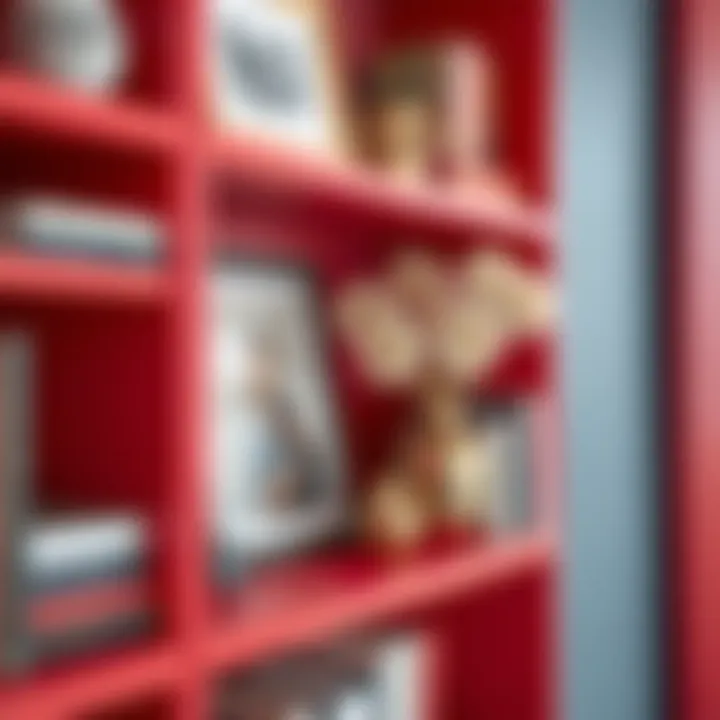
- Books with Character: Choose books with visually appealing spines or covers. Don’t underestimate the aesthetic power of a good-looking book!
- Theme-Driven Accessories: If a specific theme resonates, like a love for travel or film, incorporate items reflective of that passion. An old globe or an antique film camera can narrate intriguing stories.
Sustainable Options in Red Book Shelf Design
The urgency surrounding environmental sustainability is increasingly shaping the design of all furniture, including red book shelves. Homeowners, designers, and DIY enthusiasts are now more aware than ever of the impact their choices can have on the planet. Sustainable options in red book shelf design not only address environmental concerns but also contribute to a characteristic that many consumers seek: authenticity. Choosing eco-friendly materials and practices is central to this discourse, offering numerous benefits such as reduced carbon footprint and improved indoor air quality. Moreover, sustainable practices often lead to innovative design opportunities that can enhance the unique appeal of red book shelves.
Eco-friendly Materials and Practices
When considering eco-friendly materials for red book shelves, it’s important to prioritize options that minimize environmental damage throughout their lifecycle. This includes sourcing from sustainably harvested woods, such as bamboo or reclaimed wood, which not only reduce the demand for new lumber but also often carry rich histories that add depth to each piece. Additionally, more manufacturers are employing non-toxic paints and finishes, which curtail harmful emissions and contribute to a healthier living space.
To expand on this, materials like recycled metal or glass are gaining traction. These materials not only embrace the ethos of sustainability but also present a striking aesthetic that can redefine a space.
"The materials we choose for our homes tell a story not just about style, but about our values and the environment we want to create."
Here are some of the most notable eco-friendly choices:
- Bamboo: Not only is bamboo fast-growing, but it also has natural anti-microbial properties.
- Reclaimed Wood: Using wood that has already served a purpose reduces waste and can bring character to your shelf.
- Low-VOC Paints: Volatile organic compounds can pollute indoor air; choosing low-VOC options is a smart decision for health.
- Cork: Sourced from renewable resources, cork is also biodegradable, making it a good alternative to synthetic materials.
Upcycling and DIY Projects
The trend of upcycling has taken root in the realm of furniture design, allowing individuals to transform old materials into new creations. Not only does this extend the life of existing materials, but it also fosters creativity in a way that commercial products often cannot. Making red book shelves from repurposed materials such as old crates, pallets, or even discarded furniture promotes a circular economy and can infuse a personal touch that mass-produced items lack.
Engaging in DIY projects can also serve as an educational experience. Through the act of creating, one can learn about different materials, construction techniques, and the environmental impact of those choices.
A few DIY ideas for upcycling into red book shelves include:
- Crate Shelves: Stack wooden crates and paint them red for a rustic yet modern look.
- Old Wooden Doors: Sand a door down, paint it red, and utilize it as a standing shelf.
- Palettes: With a little ingenuity, pallets can easily be transformed into stylish shelving units that attract the eye.
These projects not only reduce waste but also allow for unique expressions of style and personality, creating a truly distinctive piece in any space.
The Future of Furniture Design with Color
The landscape of furniture design continues to evolve, presenting fresh thoughts about the role color plays in both aesthetics and functionality. In particular, red as a bold choice challenges traditional norms and beckons homeowners and designers to rethink how they use color in their spaces. The future of furniture design, especially with pieces like red book shelves, is about striking that balance between stand-out looks and suited practicality.
Color isn’t just an afterthought; it’s a means to express personality while also enhancing the space’s livability. Designers are increasingly considering how colors resonate with emotions, serve a purpose, and contribute to an overall aesthetic. As we look ahead, understanding these factors becomes integral for anyone looking to curate an environment that speaks to them.
Emerging Trends in Color Usage
Throughout the years, there have been numerous shifts in color preferences, often influenced by cultural trends, social movements, and personal expression. Currently, one noteworthy trend is the use of vibrant colors, particularly reds, as focal points in interior design. Red book shelves are not merely storage units; they are statement pieces that invite conversation and admiration.
- Contrast with Neutrals: Homeowners are pairing red book shelves with muted tones to create eye-catching contrasts that draw the eye without overwhelming the room.
- Color Blocked Spaces: Rooms are increasingly being designed with color blocks; red can serve as bold accents against whites or grays, creating a striking effect that captivates attention.
- Psychological Appeal: Above all, the psychological factor of red cannot be overstated. The color is often associated with energy, warmth, and strength, all desired qualities in the home.
By keeping an eye on these emerging trends, designers and homeowners alike can make informed choices that reflect personal tastes while playing into broader aesthetic movements.
Impact of Technology on Design Choices
Advancements in technology are reshaping furniture design, particularly in relation to color usage. The advent of digital tools for rendering and visualization has allowed designers to experiment more freely and accurately with colors before committing to them in real life.
- Visualization Software: Programs like SketchUp or AutoCAD are becoming more sophisticated, enabling designers to manipulate colors effectively. Users can perceive how red book shelves will interact with varying light conditions and surrounding colors.
- Augmented Reality: Innovations such as AR allow potential buyers to visualize how a piece would fit in their space. This has made it easier to experiment with striking colors, thus increasing confidence in bold choices like red.
- Sustainable Innovations: Technology is also driving sustainable practices, leading to the development of eco-friendly paints and finishes. Homeowners can now achieve high-impact color without compromising on environmental responsibility.
Overall, the intersection of technology and color is paving the way for furniture design that is not only visually appealing but genuinely thoughtful regarding individual needs and the planet's well-being.
"The future isn't something we enter. The future is something we create."
Color, especially in the context of red book shelves, is becoming a more influential player in interior design's future landscape, representing a shift toward places that are as much about expressive personality as they are about functionality.
End
In wrapping up this exploration of red book shelves, it's clear that their role in interior design transcends mere functionality. These shelves serve as both practical storage solutions and striking aesthetic statements that can refine the atmosphere of any space they inhabit. When we think of how color interacts with our environments, it's vital to recognize how red, a color often associated with passion and energy, can invigorate a room. Their presence can also stimulate creativity, making them particularly fitting in workspaces or libraries where inspiration is key.
Summarizing Key Insights
Throughout this article, we have dissected several aspects of red book shelves, discussing how their vibrant hue can serve various purposes. Here are the key takeaways:
- Visual Impact: Red book shelves are excellent for making a bold statement while simultaneously blending into diverse design styles, from modern minimalism to traditional classic.
- Practical Functionality: Beyond aesthetics, they provide effective organization and storage solutions that cater to various needs, integrating seamlessly into living rooms, offices, and children's spaces.
- Material Variety: The choice of material plays a pivotal role in the overall design. Whether crafted from wood, metal, or acrylic, each type brings a different texture and feel, allowing designers to tailor the shelves to their specific preferences.
- Personal Expression: Finally, red book shelves also foster opportunities for personal expression within home decor, encouraging individuals to curate their space in ways that reflect their character and lifestyle.
Overall, the combination of aesthetic appeal and functionality in red book shelves showcases their versatility. They’re not just shelves but potentially transformative elements that can bring life and character into your home.
Encouragement for Personal Expression in Design
Every individual possesses a unique sense of style that deserves to be reflected in their living spaces. Red book shelves provide an ideal platform for this personal expression. They allow homeowners, designers, and DIY enthusiasts alike to experiment with how they showcase their collection of books, art, and personal mementos.
Think of the array of possibilities: a shelf lined with vibrant novels can create a playful atmosphere, whereas a collection of classic works may lend an air of sophistication. Using these shelves as a backdrop for personal artifacts also allows one to tell their own story.
Utilizing eclectic accessories, layering textures, and varying the heights of displayed items can enhance the visual appeal of the shelves, further showcasing distinct tastes. Remember, it's not just about how the shelves look—it's about how they interact with the overall narrative of your home, providing a glimpse into who you are as a person.
Ultimately, integrating red book shelves in an imaginative way allows one to break away from traditional design mandates, embracing individuality. The freedom to mix and match styles, colors, and objects makes interior design an exciting act of self-discovery. So go ahead, let your creativity shine and let those red shelves reflect your personality!
For further inspiration, consider visiting resources such as Houzz or Pinterest to see how others have creatively integrated red book shelves into their spaces.