
Choosing the Perfect 30 Inch Black Bathroom Vanity


Intro
When sprucing up a bathroom, the finer details often take center stage. One key element that's becoming increasingly popular is the 30 inch black bathroom vanity without a top. This versatile piece combines style and functionality in a compact footprint, making it a great fit for various settings, from cozy apartments to spacious homes. This article takes a closer look at what makes these vanities a go-to choice for many homeowners and designers alike.
Furniture Styles
Popular Design Aesthetics
The design landscape of bathroom vanities is as varied as personal taste itself. A 30 inch black bathroom vanity can effortlessly fit into multiple styles.
- Modern: Sleek lines and minimalist form characterize the modern approach. With a glossy black finish, these vanities can make a striking statement against lighter walls.
- Traditional: Here, a black vanity can add a touch of elegance. Pairing it with ornate hardware and classic drawer styles can create a warm and inviting atmosphere.
- Industrial: With raw materials and unfinished edges, an industrial theme complements a black vanity nicely—think metal fixtures and open shelving to add a rustic vibe.
These aesthetics can work harmoniously together, offering a unique mix that reflects individual personality and preference.
How to Choose the Right Style for Your Space
Choosing a style for your 30 inch black bathroom vanity requires some consideration. Ask yourself:
- What overall theme do I want for the bathroom?
- How much natural light is available in the area?
- Is there existing furniture that I want to coordinate with?
Start by looking around your space. If it’s brightly lit, a black vanity can anchor the room, providing a beautiful contrast. If the space is smaller and you want to keep it open and airy, consider a more minimalist design without heavy embellishments.
Also, consider future renovations. If you plan to change up your aesthetic down the line, select a style that offers flexibility and can adapt to different looks relatively easily.
Material Matters
Understanding Different Furniture Materials
Not all bathroom vanities are created equal. The materials used can drastically impact durability, maintenance, and aesthetics.
Several common materials for black bathroom vanities include:
- Solid wood: Known for its durability and timeless look, solid wood can showcase a rich grain, making each piece unique. However, it may require more upkeep to maintain its finish.
- MDF (Medium-Density Fiberboard): A more budget-friendly option, MDF can mimic the look of solid wood but may be less resilient in humid conditions.
- Plywood: This is often used for the structure of cabinets; it offers a good balance of price and durability.
Eco-Friendly Material Options
In an age where sustainability matters, many manufacturers provide eco-friendly material options. Consider:
- Reclaimed wood: Salvaged from old buildings, this gives a unique and rustic charm while helping the environment.
- Bamboo: Fast-growing and highly renewable, bamboo is a strong option that aids in reducing deforestation.
- Low-VOC finishes: Ensuring your vanity is coated with low-volatile organic compound finishes can help improve indoor air quality.
By selecting materials mindfully, you contribute positively to both the environment and your health.
Remember, the choices you make can enrich not only your bathroom design but also reflect your values.
Choosing the right bathroom vanity is about blending style, quality, and personal preference. Don't rush it; take time to explore.
Understanding these factors can provide a thorough insight into your selection process and further enhance your bathroom space.
For more information, check resources like Wikipedia and Britannica for deeper dives into design principles. Also, community insights on forums such as Reddit can offer practical tips from those who’ve walked the path before you.
Preface to Bathroom Vanities
In the realm of home design, bathroom vanities play a pivotal role. The decision to install a vanity transcends mere functionality; it can significantly enhance the overall appearance and efficiency of your bathroom. They serve as a central point, providing both storage and a surface area for essential routines, which is why understanding their importance is essential. In this article, we will specifically explore the unique characteristics of a 30 inch black bathroom vanity without a top, dissecting its design options, material considerations, and additional insights to guide your choices.
Definition and Purpose
A bathroom vanity generally consists of a combination of cabinets and a countertop, offering both storage and a surface for sinks. However, a 30 inch black bathroom vanity without a top is a bit different, as it requires additional decisions regarding a surface, such as a sink and countertop material. Therefore, this type of vanity serves a dual purpose: it maximizes space in smaller bathrooms and allows for extensive customization.
The black color brings a modern and sleek aesthetic, which can balance various decor styles ranging from contemporary to vintage. This specific vanity size is particularly favorable for smaller spaces, making it indispensable for urban living or compact homes. Homeowners can enjoy practical storage while also infusing personal style, creating a refreshing environment in what is often a neglected area of the home.
Evolution of Bathroom Vanities
Historically, bathroom vanities were functional but often lacked style. Early designs were primarily made of bulky wood, rarely contemporary or chic. Over the years, however, the evolution has been remarkable. With the emergence of modern design philosophies, vanities became more elegant and space-efficient. Manufacturers started to embrace varied materials, colors, and designs, paving the way for options that align with individual tastes.
Today, the availability of different finishes and styles reflects a more refined aesthetic standard. The movement toward monochrome palettes, particularly black, has become increasingly popular as homeowners seek to make bold statements. This evolution is not just about looks but also about optimizing space and improving user experience. The journey of the vanity underscores a shift towards merging practicality with design; what was once a mere functional necessity, now emerges as a statement piece in bathroom design.
"Design is not just what it looks like and feels like. Design is how it works." - Steve Jobs


As we delve further into the specifics of a 30 inch black bathroom vanity without a top, we will scrutinize spatial considerations, design compatibility, and myriad options that ensure a balance of style and utility in this crucial space.
Understanding the Inch Dimension
When delving into the world of bathroom vanities, particularly the 30 inch black bathroom vanity without a top, one must grasp the significance of the 30-inch measurement. It’s more than just a number; it represents a strategic choice for urban homes, smaller bathrooms, or powder rooms where space is at a premium. A vanity of this dimension brings a balance between utility and aesthetics, making it a pivotal element in bathroom design.
Spatial Considerations
In a compact bathroom setting, the layout often dictates the functionality and comfort of the space. A 30 inch black bathroom vanity can fit snugly into tight corners or along lean walls. It affords just enough storage without overwhelming the area. When measuring for a vanity, it’s essential to consider the space not just for the vanity itself, but also for other elements like doors, cabinetry, and fixtures.
- Flow and Accessibility: Ensure there’s ample room around the vanity for hasty morning routines. You want to glide without bumping into walls or fixtures.
- Height Matters: Standard vanity height typically hovers around 32 to 36 inches. Ensure that the combination of height and width aligns with your needs, especially if there's a possibility of children or the elderly using the space.
- Visual Impact: A smaller vanity can enhance the room’s visual flow. Choose a black finish to create contrast against lighter walls, making the space appear larger than it is.
Understanding these spatial attributes will pave the way for selecting a vanity that doesn’t just fill a gap but enhances user experience as well.
Design Compatibility
Selecting a 30 inch bathroom vanity isn’t solely about fitting it into the space—it’s also about marrying it with the existing décor and personal style. The design compatibility plays a key role in achieving a cohesive look. Black vanities, in particular, have an innate charm that often complements various styles of interior design.
- Modern Aesthetic: If your space leans toward modern minimalism, a 30-inch black vanity delivers a sleek, clean line without overpowering other décor elements. Consider simple hardware for a streamlined look.
- Traditional Settings: For a more classic appeal, pair the black vanity with vintage fixtures or intricate mirrors. This combination can serve as an exquisite focal point that uplifts the traditional charm.
- Eclectic Touches: Mix and match with bold colors or textures around the vanity to foster an eclectic vibe. You can balance the subtlety of black with vibrant wall paint or playful accessories.
Characteristics of Black Bathroom Vanities
Black bathroom vanities have become a popular choice among homeowners and designers alike, not just for their sleek appearance but also for their perceptible depth of character. When one thinks about the aesthetic and functional benefits, it is clear that they fulfill a multitude of roles in enhancing a bathroom space. In this section, we will explore the aesthetic appeal and versatility in design of black bathroom vanities, underscoring why they may be the ideal choice for modern bathrooms.
Aesthetic Appeal
Choosing a black bathroom vanity can significantly elevate the visual charm of any bathroom. The color black is often associated with elegance, sophistication, and modernity, making it an attractive option for contemporary settings. When juxtaposed against lighter walls or tiles, a black vanity can serve as a striking focal point, drawing attention and creating a sense of balance within the room.
Moreover, black can act as a versatile backdrop for various decor styles, from minimalist to eclectic. For example, pairing a black vanity with brass or gold fixtures can introduce a touch of glamour, while matte black can lend a more industrial or modern vibe. This flexibility allows homeowners to explore diverse design avenues without feeling confined.
"A black vanity can transform an ordinary bathroom into a stylish sanctuary, making it a prime candidate for those looking to revamp their space."
The importance of finishes cannot be overlooked either. Glossy finishes reflect light and can make a small bathroom appear larger, while satin and matte finishes offer a warm, inviting feel. Thus, when selecting a black bathroom vanity, one not only considers the color but also how its finish interacts with light and surrounding elements.
Versatility in Design
Black bathroom vanities are not a one-trick pony; they adapt well to various styles and themes. Whether you are aiming for a chic urban apartment look, a more rustic farmhouse aesthetic, or a sharp contemporary design, a black vanity can seamlessly integrate into the planned design scheme. This versatility makes it an ideal choice for DIYers who might want to mix and match styles over time.
Aside from visual adaptability, these vanities also come in numerous materials like wood, MDF, and even fiberglass. Such variety allows for an exploration of different textures and finishes, ensuring that there is a black vanity to suit every preference. For example, a reclaimed wood black vanity fits well in a cozy, vintage-oriented bathroom, whereas a sleek MDF version could align with a clean, modern look.
Additionally, the option to personalize these vanities further by incorporating elements like open shelving, additional drawers, or unique hardware provides opportunities for customization that enhance both function and form. Homeowners are increasingly drawn to the idea of creating a space that reflects their personality and lifestyle, and black bathroom vanities present a substantial canvas for that expression.
In sum, the characteristics of black bathroom vanities extend far beyond their basic function. They embody a combination of aesthetic appeal and design versatility, making them an exceptional choice to consider for those embarking on a bathroom remodeling project. By appreciating their multifaceted nature, one can confidently choose the right black vanity that elevates both the style and utility of the space.
Material Choices for Black Vanities
When it comes to picking a black bathroom vanity, the material you choose matters a great deal. It influences the vanity's durability, appearance, and overall function. A well-chosen material can enhance your bathroom’s style while ensuring longevity. This section will dig into the predominant materials used for black vanities, focusing on the advantages and drawbacks of each, to help you make an informed selection.
Wood vs. MDF: An Analysis
In the battle of materials, wood and MDF (medium-density fiberboard) frequently take center stage. Each has unique qualities that could sway your choice one way or the other.
Wood:
- Durability: Nothing beats solid wood when it comes to longevity. It stands tall against wear and tear, provided you maintain it well.
- Aesthetic Appeal: Wood brings natural warmth and richness to any space. Imagine the depth of a black oak finish—a classic look that never goes out of style.
- Cost: Typically, you’re looking at a heftier price tag for solid wood products, which can gauge your budget.
MDF:
- Affordability: MDF offers an attractive price point. If you’re on a budget, this might be a sensible option.
- Versatility: MDF takes paint beautifully, giving you options for unique finishes. A black matte look can create a modern twist.
- Vulnerability: However, MDF is not waterproof. Any spills or high humidity can distort it.
Ultimately, if you want something that lasts and looks timeless, solid wood wins out as the prime choice. But if you're aiming for economical yet stylish, a well-finished MDF can do the trick as long as you take care with it.
Finishes and Textures
Now let’s talk about how the finish and texture of your black vanity can play a part in its overall impact. Different finishes can evoke varied moods and aesthetics, impacting your bathroom like night and day.


- Matte Finishes:
A matte black finish can deliver a contemporary feel, offering subtle sophistication. It's great to avoid smudges and fingerprints, making it low-maintenance. But the texture can lack that luxurious touch many homeowners desire. - Glossy Finishes:
On the flip side, a glossy finish brings shine and glamour. It can make even a small bathroom seem larger by reflecting light. However, you might notice more dirt and stains on this surface, requiring more cleaning. - Textured Surfaces: Adding texture can elevate your vanity to something truly special. Think of a black vanity with a wood-grain pattern; it adds depth and interest without overwhelming other elements in the bathroom.
- Custom Finishes:
Customized finishes allow for a tailored look. You could go for a distressed finish for a more rustic vibe, or a smooth, sleek approach for a modern edge.
Choosing the right finish is as critical as selecting the right material. It not only serves aesthetic purposes but also affects how much upkeep the vanity will require.
Styling Options Without a Top
Selecting a 30 inch black bathroom vanity without a top offers both challenges and opportunities for homeowners and designers. While choosing a vanity sans a countertop might initially seem like a limitation, it actually opens up a world of tailored styling possibilities. A key aspect here is the ability to customize your vanity to suit personal tastes, aesthetic preferences, and functional needs. In essence, a no-top option empowers you to create a more coherent design that seamlessly fits into your space.
Popular Countertop Materials
When it comes to choosing a suitable countertop for a bathroom vanity, material selection plays a significant role in the overall vibe and functionality. Below are some popular materials you might consider:
- Granite: Known for its durability and luxurious appearance, granite can withstand moisture, making it an excellent choice for bathrooms. Each piece is unique, offering a variety of colors and patterns.
- Quartz: This engineered stone is non-porous and resistant to stains, scratch, and heat. It's a low-maintenance option that’s often available in vast color selections to match various decors.
- Marble: Offering a classic, elegant look, marble countertops can be quite breathtaking. However, they are softer than granite or quartz, and they may require more upkeep to avoid stains and scratches.
- Concrete: For a modern and industrial look, concrete countertops present a unique, customizable option. They can be stained and sealed in various finishes and colors.
Choosing the right top is not just about looks; it’s also about how well it will coexist with the black vanity. A lighter countertop can create a striking contrast, while a darker one may provide a cohesive, streamlined look.
Customization and Personalization
Customization and personal touches are where the magic happens when it comes to styling your black vanity without a top. This is the perfect opportunity to express one’s personality and ensure the vanity embodies individual tastes. The possibilities are virtually endless:
- Options in Color and Texture: Beyond materials, the colors and textures will alter how the vanity feels in the room. Play around with matte vs. gloss finishes or even textured surfaces such as reclaimed wood or metallics.
- Unique Features: Think about integrating custom sinks, such as vessel sinks or under-mount sinks that rest flush against the vanity. Adding intricate details like unique hardware or a bold backsplash can also elevate the design.
- Decorative Accessories: Decorative trays, soap dispensers, or even a whimsical plant can add character. A carefully selected mirror can amplify the style and beauty of the vanity.
The beauty of styling a black bathroom vanity without a top lies in its versatility—each decision contributes to a personal narrative.
Installation Considerations
The installation of a bathroom vanity is a significant aspect that warrants thorough understanding. Not just any old unit will do when you’re choosing the stylish 30-inch black bathroom vanity without a top. Proper installation can elevate your space from simply functional to stunningly elegant. From ensuring a precise fit to selecting suitable plumbing connections, each step in the process can greatly influence the outcome. In this section, we'll focus on the key elements, benefits, and considerations involved in the installation process.
Preparation and Measurements
Before you lift a finger to install your new vanity, you've got to roll up your sleeves and get ready. This stage can't be overstated. A few wrong moves can throw your entire project off balance, possibly leaving you with a gaping hole or an out-of-the-box misfit.
Key Steps in Preparation:
- Measure the Space: Grab that trusty tape measure. Measure your bathroom area where the vanity will sit. You'll want to note not only the width but also the height and depth to avoid any surprises.
- Check Plumbing Location: Knowing where your water supply lines are located is vital. Are they centered? Off to the side? This can dictate which vanities will work best.
- Consider Door Swing and Accessibility: Think about how the door swings open and how accessible the vanity will be after installation. Taking a close look at this can save a lot of headache later on.
- Visualize the Final Look: It’s not just about the numbers; picture how everything will fit together aesthetically. Understanding how the black vanity contrasts with the surroundings helps in planning your color scheme and decor.
Preparing well here means making the installation smoother and less stressful.
Tools Required for Installation
With measurements in hand and a good plan, you are almost ready to go. But before breaking out the heavy lifting, you'll need to gather some tools. A proper toolkit can make or break the installation process. Here’s what you need:
Essential Tools:
- Screwdriver Set: A variety of sizes is helpful. A power drill can be a real time-saver too.
- Level: An absolute must for ensuring your vanity sits perfectly straight.
- Wrench Set: For those plumbing connections and fittings.
- Utility Knife: Handy for any necessary adjustments or cutting.
- Measuring Tape: Because if you can't measure it, you can't install it.
- Stud Finder: To locate wall studs and assure secure anchoring for the vanity.
- Pencil: Don’t forget to mark your measurements on the wall or floor for guidance during installation.
Maintenance and Care
When it comes to a bathroom vanity, maintaining its quality and appearance is paramount. A 30 inch black bathroom vanity without a top needs particular attention, not only to keep it looking its best but also to prolong its life. The environment of a bathroom is generally humid, and that humidity can wreak havoc on your vanity if it’s not cared for. Understanding the essentials of maintenance and proper care can save you both time and money in the long run.
Cleaning Tips for Longevity
To keep your black vanity looking sharp, regular cleaning is essential. Here are some practical tips to consider:
- Use Gentle Cleaners: Opt for non-abrasive, mild cleaners. Harsh chemicals can strip the finish and dull the surface. A mix of water and dish soap is often sufficient.
- Microfiber Cloths: When cleaning, employ a soft microfiber cloth. This fabric is gentle enough to avoid scratches while effectively picking up dust and grime.
- Avoid Standing Water: Always ensure surfaces are dry after cleaning. Standing water can lead to swelling and warping, particularly if your vanity is constructed from wood.
- Sealants for Protection: If your vanity has a finish that allows for it, consider applying a sealant once a year. This can add a layer of protection from moisture and stains.
Regular maintenance is your best bet for keeping your 30 inch black bathroom vanity looking fresh and new. A little effort goes a long way.
Addressing Common Issues
Even with careful maintenance, some common issues can arise. Being prepared for these problems can help you respond effectively:
- Scratches and Dents: Small dings and scratches are unavoidable. Use a wood filler to fill larger dents and lightly sand the area; for minor scratches, a furniture polish can work wonders.
- Water Damage: If you notice swollen wood or peeling paint, it’s indicative of water exposure. Promptly address any leaks in your plumbing to prevent further damage.
- Color Fading: Over time, the finish of your black vanity may fade, particularly if it’s exposed to direct sunlight. You can combat this by repositioning your vanity away from windows or using window treatments to block harsh light.
- Stains: For stubborn stains, a mixture of baking soda and water can be effective. Apply it gently to the stained area, leave it for a while, and then wipe clean.
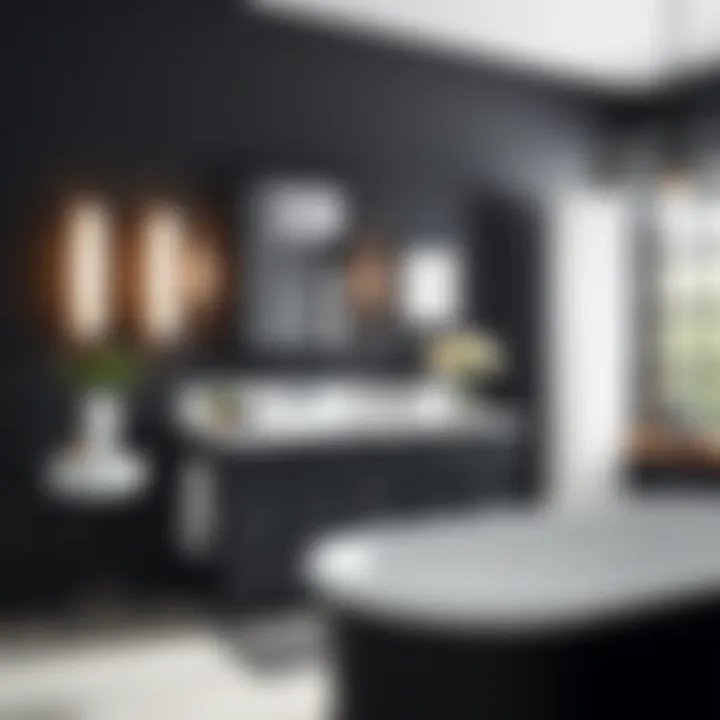
By following these maintenance and care guidelines, you'll ensure your 30 inch black bathroom vanity not only retains its aesthetic appeal but also remains functional for years to come. It's about working smarter, not harder, and being proactive rather than reactive when it comes to upkeep.
Cost Considerations and Budgeting
When it comes to selecting a 30-inch black bathroom vanity without a top, cost considerations and budgeting play a pivotal role. It’s not just about choosing a piece that looks appealing; it’s also about making sure that it fits within your financial constraints and delivers value over time. A thoughtful budget ensures that homeowners don't get caught in the snare of overspending while still achieving a stylish and functional bathroom.
First, understanding what you’re getting for your money is crucial. The vanity's price reflects its materials, craftsmanship, and the brand behind it. It’s important to do your homework—research different stores and online marketplaces. You might find that a splurge on a well-constructed piece pays off in durability while a more economical choice may lead to dissatisfaction down the road.
Price Range Overview
The price range for a 30-inch black bathroom vanity without a top can vary widely. Factors influencing this cost include:
- Material: Solid wood generally costs more than MDF or particleboard.
- Brand Reputation: Well-established brands may charge a premium.
- Design Features: Intricacies in design or additional storage options can up the price.
- Market Trends: Prices can fluctuate based on current trends and demand.
Typically, budgets can range anywhere from $200 to $800, or even higher for custom options. A lower-end vanity may offer basic functionality but might lack the sturdiness and style needed for a long-term investment. In contrast, those with a bit more to spend often benefit from higher quality materials and versatile designs that blend seamlessly into any decor.
Value for Money Analysis
Evaluating the value for money goes beyond just price tags. It encompasses the entire scope of your purchase. Here are some aspects to consider:
- Durability: An investment in a sturdy vanity may prevent future replacement costs, which adds to your overall savings. Look for warranties that show confidence in the product's lifespan.
- Style Longevity: Trends come and go, but selecting a design that transcends fads ensures that you won’t need to update your vanity in a few short years. A timeless black finish often allows for flexible bathroom redesigns.
- Functional Features: Consider whether added features—like drawers, open shelving, or innovative storage solutions—provide you with practical benefits that justify the cost.
- Installation Requirements: Costs may also be incurred from professional installation versus DIY. Simple setups typically require less financial input, while intricate designs might demand a professional touch.
Ultimately, whether you're a homeowner looking to revamp your space or a designer gathering elements for a project, investing time in budgeting and cost consideration can lead to a successful and satisfying purchase. Understanding the nuances of pricing ensures that you find the perfect balance between quality and cost—an essential element of a well-planned bathroom renovation.
"A budget isn’t just a number; it’s a guide that helps you think through your choices and consider long-term impacts."
Explore more about budgeting for home renovations at Wikipedia or insight into market trends on platforms like Reddit.
Trends in Bathroom Vanities
Understanding the trends in bathroom vanities is essential for any homeowner, designer, or DIY enthusiast looking to enhance the aesthetic and functionality of a bathroom space. The current trends reflect evolving tastes, practical considerations, and a growing emphasis on sustainability. By zeroing in on these trends, individuals can select fixtures that not only align with their vision but also contribute positively to the environment and their home's value.
One key trend is the move towards minimalist designs that favor clean lines and a refined look. Homeowners are finding themselves swayed by the idea that 'less is more,' leading to a preference for streamlined shapes and structures. A 30-inch black bathroom vanity without a top often embodies this very essence, providing a simplistic yet elegant base that allows for personal expression through chosen countertops and accessories.
There's also an increasing emphasis on open shelving and visible storage solutions. This shift encourages the incorporation of decorative elements and easy access to essentials. Such a trend aligns well with the functionality of black bathroom vanities, allowing them to serve as both a striking focal point and a practical storage solution.
"The bathroom vanity is no longer just a functional piece; it's a key player in the overall design narrative of the space."
Current Popular Styles
Diving into the specifics of what styles are dominating today’s market yields several noteworthy mentions. You’ll find that modern and contemporary styles are in vogue, with designs featuring sharp angles and straightforward silhouettes.
- Mid-Century Modern: This style emphasizes rich colors, distinctive forms, and a blend of functionality with artful design. A black vanity can harmonize beautifully with the deep woods or light-colored fixtures common in this aesthetic.
- Industrial: Raw materials and a bold aesthetic characterize this trend. Black vanities with exposed metal frames or accents can couple well with brick walls and concrete floors.
- Scandinavian: Light wood, stark white, and of course, black can often be seen together in Scandinavian design, emphasizing functionality and simplicity while creating a bright and inviting atmosphere.
The versatility of a 30-inch black bathroom vanity means that it can effectively complement these various styles, allowing homeowners to lean into their unique tastes.
Sustainable Choices in Design
Sustainability is another fundamental trend shaping the landscape of bathroom vanities. More consumers are prioritizing eco-friendly materials and manufacturing processes. The choice of materials for a black vanity goes beyond aesthetics; it often connects the homeowner to a broader environmental consciousness.
For instance, opting for materials like reclaimed wood or sustainably sourced bamboo can reduce a project’s carbon footprint. Additionally, many manufacturers now offer low-VOC finishes, aligning with the health and safety goals of modern homes. Choosing fixtures that contribute to water efficiency can also enhance sustainability efforts.
Utilizing a 30-inch black bathroom vanity, individuals are not just investing in an attractive piece, they’re also making a statement about their values. This kind of thoughtful design choice can draw attention, promote discussion about sustainability, and pave the way for future choices in home improvement.
Final Thoughts
The significance of selecting the right bathroom vanity, particularly a 30 inch black bathroom vanity without a top, can not be overstated. In today's home decor landscape, a vanity is more than just a place for toiletries; it is often a centerpiece, reflecting personal style while also serving key functional roles. Understanding the choices available and the considerations they entail plays a crucial part in achieving a cohesive bathroom design.
Recap of Key Points
As we wrap up our exploration, let's revisit several key takeaways:
- Dimension Matters: A 30 inch vanity strikes a balance between usability and space-saving, suitable even for compact areas.
- Aesthetics of Black: The sleek finish of a black vanity can elevate the overall ambiance of the bathroom, offering a modern touch that complements various themes.
- Material Choices: Whether opting for solid wood or MDF, each material has distinct benefits, affecting durability and maintenance.
- Customization: Selecting your own countertop material allows for personalization, making the vanity a reflection of your taste.
- Installation Essentials: Proper preparation, including measuring and necessary tools, is vital to ensure the vanity fits seamlessly.
- Ongoing Care: Regular cleaning and maintenance help to protect the investment, prolonging the life of your vanity and keeping it looking pristine.
Encouragement for Informed Decisions
When it comes time to choose a 30 inch black bathroom vanity without a top, approach the decision with care and consideration. Bear in mind that this piece is not just functional but also an expression of your style preferences. Countless options exist, and being well-informed on your choices can yield significant benefits, ensuring that your final selection aligns with both your individual aesthetic and practical needs. Don't rush the process; investing time to understand the elements involved will pay off in the end. Whether you are a homeowner, designer, or DIY enthusiast, grounded knowledge equips you to navigate the plethora of options available today.
"The best decision is an informed decision. Take the time to explore available options and craft a space that is uniquely yours."
For further assistance in making informed choices, you may consult resources such as Wikipedia, Britannica, or Reddit. Connecting with a community of like-minded individuals or professionals can provide additional insights and ideas.